
Code P0606 is a diagnostic trouble code (DTC) that indicates a problem with the engine control module (ECM) or powertrain control module (PCM). Understanding this code is crucial for vehicle owners and automotive technicians alike, as it can indicate underlying issues that affect vehicle performance. In this article, we will delve into the specifics of code P0606, its causes, symptoms, and how to effectively diagnose and fix it.
Key takeaways
- Code P0606 signifies an issue with the engine control module.
- Common symptoms include poor engine performance and warning lights.
- Diagnosing P0606 often requires specialized diagnostic tools.
- Repair may involve reprogramming or replacing the engine control module.
- Regular maintenance can help prevent issues like P0606.
What is code P0606?
Code P0606 is a generic code that signals a malfunction within the engine control module. The ECM is the brain of the vehicle’s engine management system, responsible for controlling various engine functions, such as fuel injection, ignition timing, and emissions control. When the ECM detects an internal fault, it triggers the P0606 code, which can lead to a range of performance issues.
Common symptoms of code P0606
When code P0606 is triggered, drivers may experience several symptoms, including:
- Illuminated check engine light
- Poor engine performance or reduced power
- Increased fuel consumption
- Stalling or rough idling
- Difficulty starting the engine
These symptoms can vary depending on the severity of the issue and the vehicle make and model. It’s essential to pay attention to these signs, as they can indicate a failing ECM or related components.
Possible causes of code P0606
Several factors can contribute to the triggering of code P0606. Some of the most common causes include:
- Faulty engine control module: The most common reason for P0606 is a malfunctioning ECM, which may occur due to internal component failure.
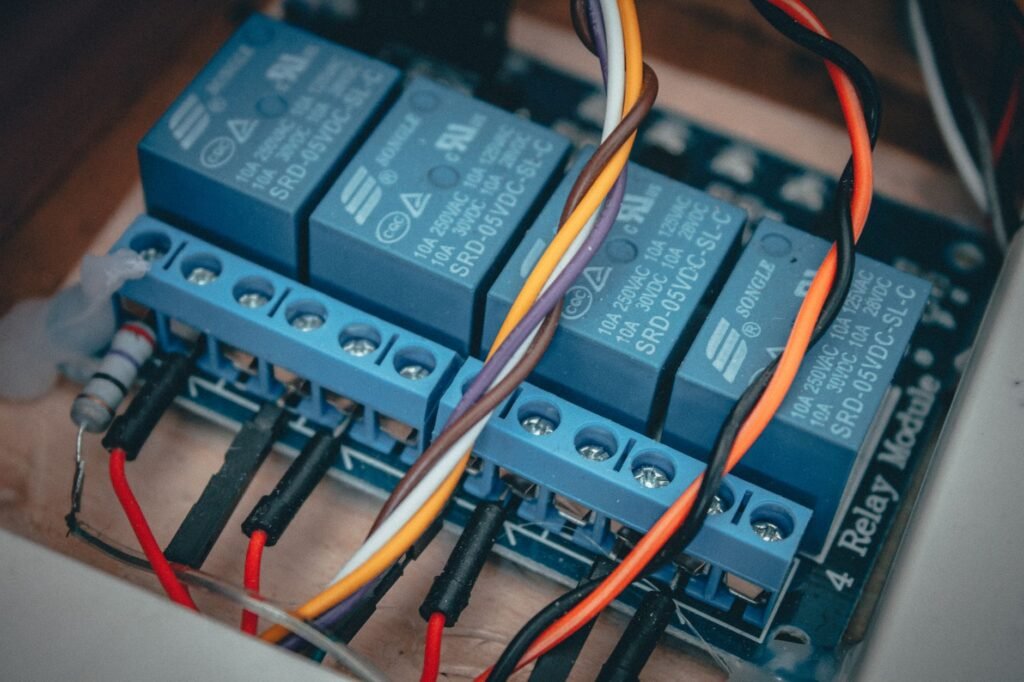
- Wiring issues: Damaged or corroded wiring and connectors associated with the ECM can lead to communication problems, triggering the code.
- Software issues: Occasionally, outdated or corrupted software in the ECM can cause it to misinterpret data, leading to a P0606 code.
- Voltage irregularities: Fluctuations in voltage supply to the ECM can affect its performance, resulting in the code being set.
- Other related codes: Often, code P0606 may accompany other trouble codes, indicating broader issues within the vehicle’s engine management system.
How to diagnose code P0606
Diagnosing code P0606 requires a systematic approach. Here are the primary steps involved:
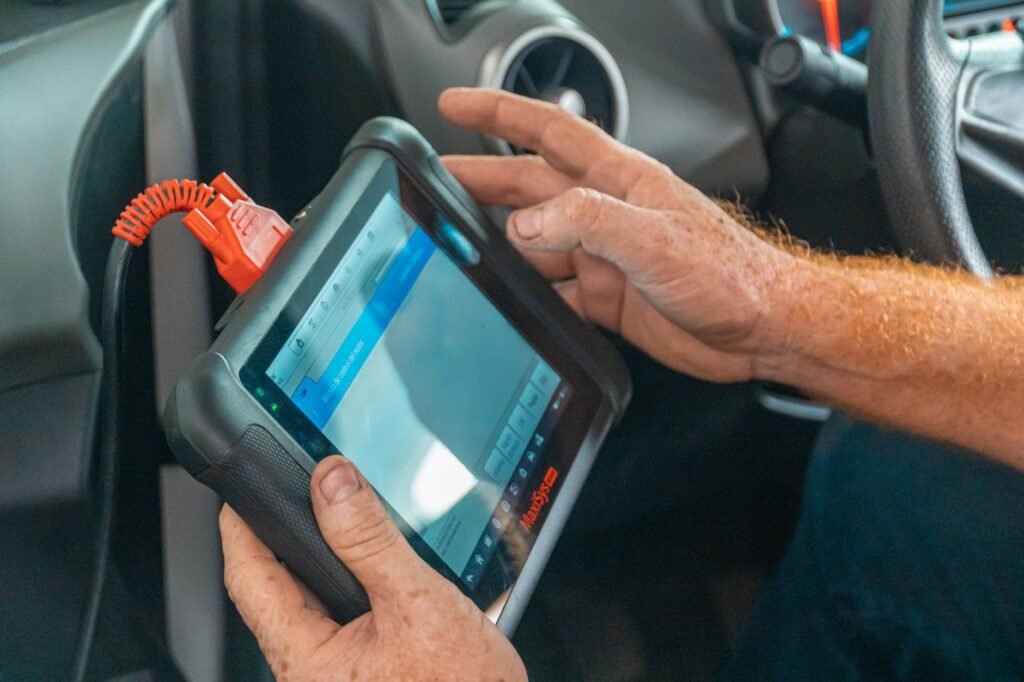
- Scan for trouble codes: Use an OBD-II scanner to read the trouble codes stored in the vehicle’s computer. Take note of any additional codes that may accompany P0606.
- Check the freeze frame data: This data provides a snapshot of the vehicle’s conditions when the code was triggered. It can be helpful in identifying patterns and conditions that led to the fault.
- Inspect wiring and connectors: Visually inspect the wiring and connectors associated with the ECM for any signs of damage, corrosion, or loose connections. Repair or replace any faulty components as necessary.
- Test the engine control module: If the wiring and connectors are in good condition, it’s time to test the ECM. This may involve using specialized equipment to check for proper operation and communication.
- Check for software updates: Ensure that the ECM software is up to date. Sometimes, manufacturers release updates to fix known issues that could trigger codes like P0606.
Tools needed for diagnosing code P0606
A few essential tools will help in diagnosing code P0606 effectively:
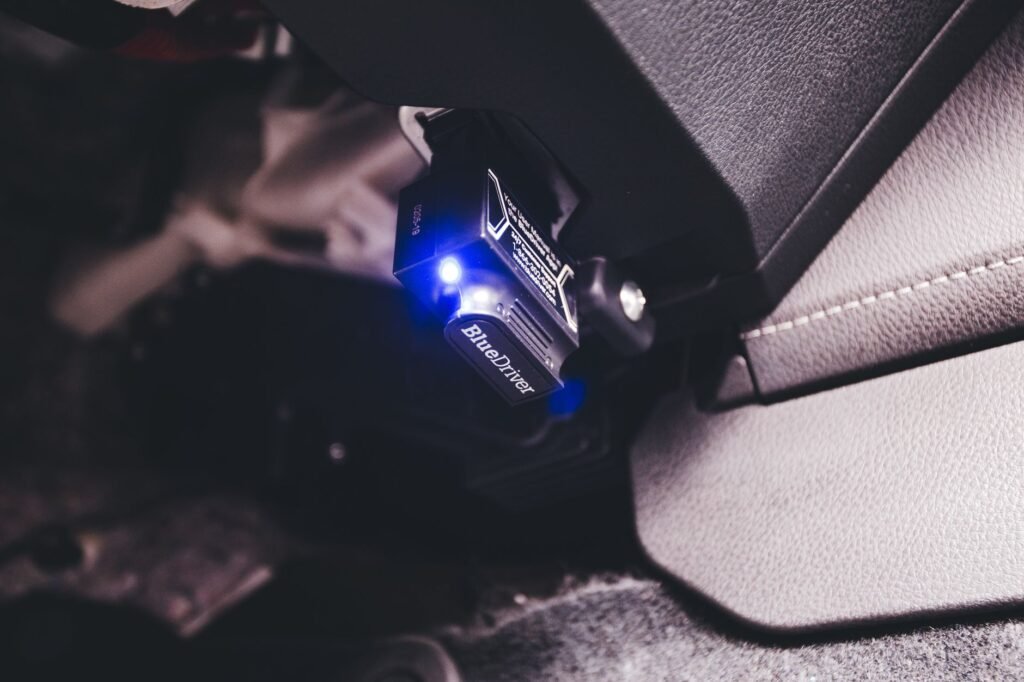
- OBD-II scanner: A good quality scanner is essential for reading and clearing trouble codes and accessing freeze frame data.
- Multimeter: This tool is used to measure voltage, resistance, and continuity in wiring and circuits.
- Wiring diagrams: Having access to the vehicle’s wiring diagrams can assist in tracing and troubleshooting electrical issues.
- Scan tool with live data capability: Some advanced scan tools allow you to monitor live data from the ECM while the vehicle is running, helping identify issues in real-time.
How to fix code P0606
Once the cause of code P0606 has been identified, the next step is to address the issue. Here are some common repair strategies:
- Repair or replace wiring: If the diagnosis reveals damaged wiring or connectors, they should be repaired or replaced to restore proper communication with the ECM.
- Reprogram the ECM: In some cases, reprogramming or flashing the ECM can resolve software-related issues. This process typically requires specialized equipment and should be performed by a qualified technician.
- Replace the engine control module: If the ECM is found to be faulty, replacing it may be necessary. Ensure that the new module is compatible with your vehicle and properly installed.
- Clear codes and test drive: After repairs or replacements, clear the codes using the OBD-II scanner and take the vehicle for a test drive to ensure that the issue has been resolved and the code does not return.
Cost of repairs associated with code P0606
The cost of repairing code P0606 can vary widely based on several factors, including the make and model of the vehicle and the specific nature of the problem. Here are some general cost estimates:
- Wiring repairs: Depending on the extent of the damage, wiring repairs can range from $50 to $200.
- Reprogramming the ECM: This service typically costs between $100 and $300, depending on the dealership or repair shop.
- ECM replacement: Replacing an engine control module can be expensive, often ranging from $300 to $1,200, including parts and labor.
Preventing code P0606 from occurring
While some causes of code P0606 are unavoidable, there are steps vehicle owners can take to minimize the risk:
- Regular maintenance: Keep up with routine maintenance, including oil changes and air filter replacements, to ensure the engine runs optimally.
- Monitor electrical systems: Pay attention to any electrical issues, such as flickering lights or unusual sounds, which may indicate wiring problems.
- Use quality parts: When replacing components, use high-quality or OEM parts to minimize the risk of future failures.
By taking proactive measures, vehicle owners can help prevent the occurrence of code P0606 and maintain their vehicle’s performance.
Diagnosing the root causes of P0606
The P0606 code signifies an issue with the control module performance, typically leading to poor engine performance and increased emissions. To effectively address this code, it’s crucial to understand its potential root causes, which often extend beyond mere sensor malfunctions. Here, we will delve into several less commonly addressed factors that could trigger the P0606 code and provide actionable steps for diagnosis and resolution.
One of the primary components to inspect is the engine control module (ECM) itself. While it may seem like a straightforward assumption that the ECM is at fault, it’s essential first to rule out external influences that could affect its performance. For instance, check the wiring harness and connectors leading to the ECM for any signs of corrosion, fraying, or loose connections. A poor electrical connection can lead to intermittent issues that manifest as a P0606 code. Use a multimeter to test for continuity and voltage drop across the connections.
In addition to wiring, the ECM’s ground connection must be secure. A weak ground can create erratic signals within the ECM, leading to performance issues. Ensure that the ground points are clean and free from rust or dirt, and re-tighten any loose connections. It may also be worthwhile to inspect the vehicle’s battery and charging system. A failing alternator or a weak battery can introduce voltage fluctuations that confuse the ECM, resulting in error codes.
“Sometimes the root of the problem lies not within the module itself, but in the supporting systems that provide it with power and information.”
Another often-overlooked factor is software glitches or corruption within the ECM. Modern vehicles utilize complex software algorithms to interpret sensor data and control various systems. If the software experiences a bug or corruption, it could lead to a false P0606 code. In such cases, a software update or reprogramming of the ECM may resolve the issue. It is advisable to consult with the vehicle manufacturer’s technical service bulletins (TSBs) to check for any known issues or updates related to the ECM software.
Moreover, sensor data integrity is critical for the ECM to function correctly. If related sensors, such as the throttle position sensor (TPS) or mass airflow sensor (MAF), are giving inaccurate readings, it could lead to the ECM making incorrect calculations, thus triggering the P0606 code. Conduct a thorough inspection of these sensors, including testing them for proper operation. Ensure that they are clean, properly calibrated, and free from any obstructions that could affect performance.
Lastly, consider environmental factors that can impact the ECM. Extreme temperatures, moisture, or exposure to contaminants can affect the electronic components within the ECM. If the vehicle has experienced recent flooding or exposure to severe weather, inspect the ECM for water damage or signs of overheating.
In summary, while the P0606 code can indicate a malfunctioning ECM, it is imperative to conduct a holistic diagnosis. By exploring wiring integrity, ground connections, software integrity, sensor accuracy, and environmental impacts, technicians can more accurately pinpoint the cause and implement effective solutions. This comprehensive approach not only aids in resolving the P0606 code but also enhances overall vehicle reliability and performance.
Exploring the role of the Engine Control Module
The Engine Control Module (ECM) plays a critical role in the management of a vehicle’s engine performance, and understanding its functions can provide valuable insights when dealing with code P0606. This diagnostic trouble code (DTC) indicates an issue with the ECM’s performance, specifically a malfunction in the internal control module. Recognizing how the ECM operates can help in diagnosing the root cause of P0606 and implementing effective solutions.
The ECM is essentially a computer that processes information from various sensors throughout the vehicle. It adjusts fuel injection, ignition timing, and other engine parameters to optimize performance and emissions. When the ECM detects a discrepancy in expected performance, it triggers P0606, which often suggests an internal failure or a communication issue within the module itself.
Before diving into repairs, it’s essential to establish a clear diagnostic path. Begin with a thorough visual inspection of the vehicle’s wiring and connectors. Loose or corroded connections can lead to erroneous readings and false codes. A common oversight is neglecting the condition of the ground connections, which are vital for the ECM’s operation. Ensure that the grounds are clean and secure; a poor ground can lead to voltage fluctuations that may trigger P0606.
If the visual inspections do not reveal any obvious issues, the next step involves scanning the vehicle with a high-quality OBD-II scanner. This tool can provide additional codes that may be present alongside P0606, such as P0600 (Serial Communication Link Malfunction) or P0601 (Internal Control Module Memory Check Sum Error). These additional codes can narrow down the scope of the problem and indicate whether the issue lies within the ECM itself or if it is related to external sensors or wiring.
“Understanding the interconnectedness of the ECM with other vehicle systems is crucial for effective troubleshooting.”
Once you have gathered all relevant data, consider performing a reset of the ECM. This can sometimes clear temporary faults that may have triggered the code. However, if P0606 reappears after a reset, it is likely indicative of a more serious issue requiring further investigation. At this stage, testing the ECM itself becomes necessary. This often involves checking voltage and ground signals at the ECM connector while the vehicle is running, using a multimeter. Confirm that the readings align with the manufacturer’s specifications.
Should the ECM be determined to be faulty, replacement is typically the final step. When replacing the ECM, it is crucial to ensure that the new module is programmed correctly to match the specifics of the vehicle, including VIN and any other vital parameters. Failing to do so can result in further issues, including the reappearance of P0606 or other related DTCs.
It’s worth noting that some aftermarket ECMs may not perform as reliably as OEM units, which can lead to future complications. Therefore, sourcing a quality replacement from a reputable dealer is advisable. Additionally, after replacing the ECM, it is essential to perform a thorough drive cycle, allowing the new module to adapt to the vehicle’s operating conditions and calibrate as necessary.
In summary, addressing code P0606 involves a comprehensive understanding of the ECM’s role within the vehicle’s systems, careful diagnostics, and methodical troubleshooting. By following a structured approach, you can identify and rectify the underlying issues, ensuring your vehicle operates smoothly and efficiently.
Frequently asked questions
What causes code P0606?
Code P0606 can be triggered by a faulty engine control module, wiring issues, or software problems within the ECU.
Can I drive with code P0606?
While it may be possible to drive with code P0606, it is not advisable as it can lead to reduced engine performance and further damage.
How do I clear code P0606?
You can clear code P0606 using an OBD-II scanner, but it's essential to address the underlying issue to prevent it from returning.
The bottom line
Code P0606 is a serious issue that requires prompt attention. Proper diagnosis and repair can restore your vehicle's performance and reliability.
Related reading: Defining the line between sports cars and supercars, and Understanding code P1299 and how to fix it effectively. For an outside reference on this topic, see NHTSA's vehicle safety resources.