Understanding when your car battery needs replacing is crucial for vehicle maintenance. A failing battery can leave you stranded and lead to costly repairs if not addressed promptly. Here, we explore the essential signs that indicate your car battery may be nearing its end and provide guidance on how to maintain its health.
Understanding car battery lifespan
Most car batteries have a lifespan of three to five years, but this can vary based on factors such as climate, driving habits, and battery type. Knowing the average lifespan of your specific battery can help you plan for a replacement before you encounter issues. Regular inspections and maintenance can help extend battery life.
Signs of a failing battery
Recognizing the signs of a failing battery is the first step in preventing unexpected breakdowns. Here are the most common indicators that your car battery may need replacing:
1. Engine cranking slowly
If your engine cranks slowly or struggles to turn over, it is often a sign that your battery is losing its charge. This sluggish performance can be especially noticeable in colder weather when batteries lose efficiency. If the problem persists, it may be time for a replacement.
2. Dashboard warning lights
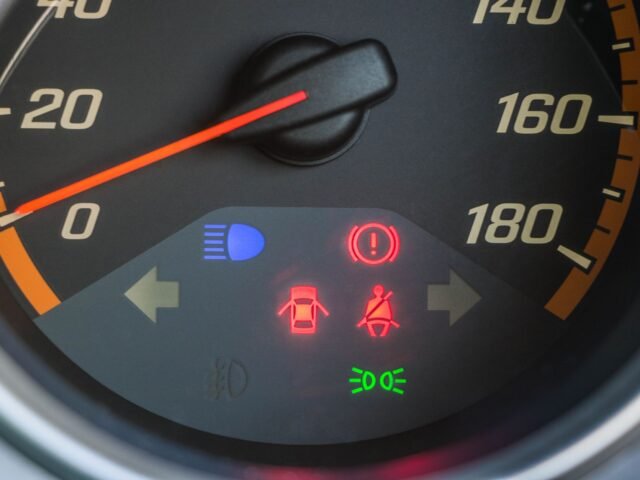
Modern vehicles are equipped with various dashboard warning lights, including those specifically indicating battery issues. If you see a battery-shaped warning light illuminated on your dashboard, it’s a clear sign that your battery or charging system requires attention.
3. Swollen battery case
A swollen battery case can indicate overcharging or extreme temperature exposure. If you notice any bulging or deformation of the battery casing, it is a serious sign that the battery is failing and should be replaced immediately. Continuing to use a swollen battery can lead to leaks or even explosions.
4. Corrosion around battery terminals
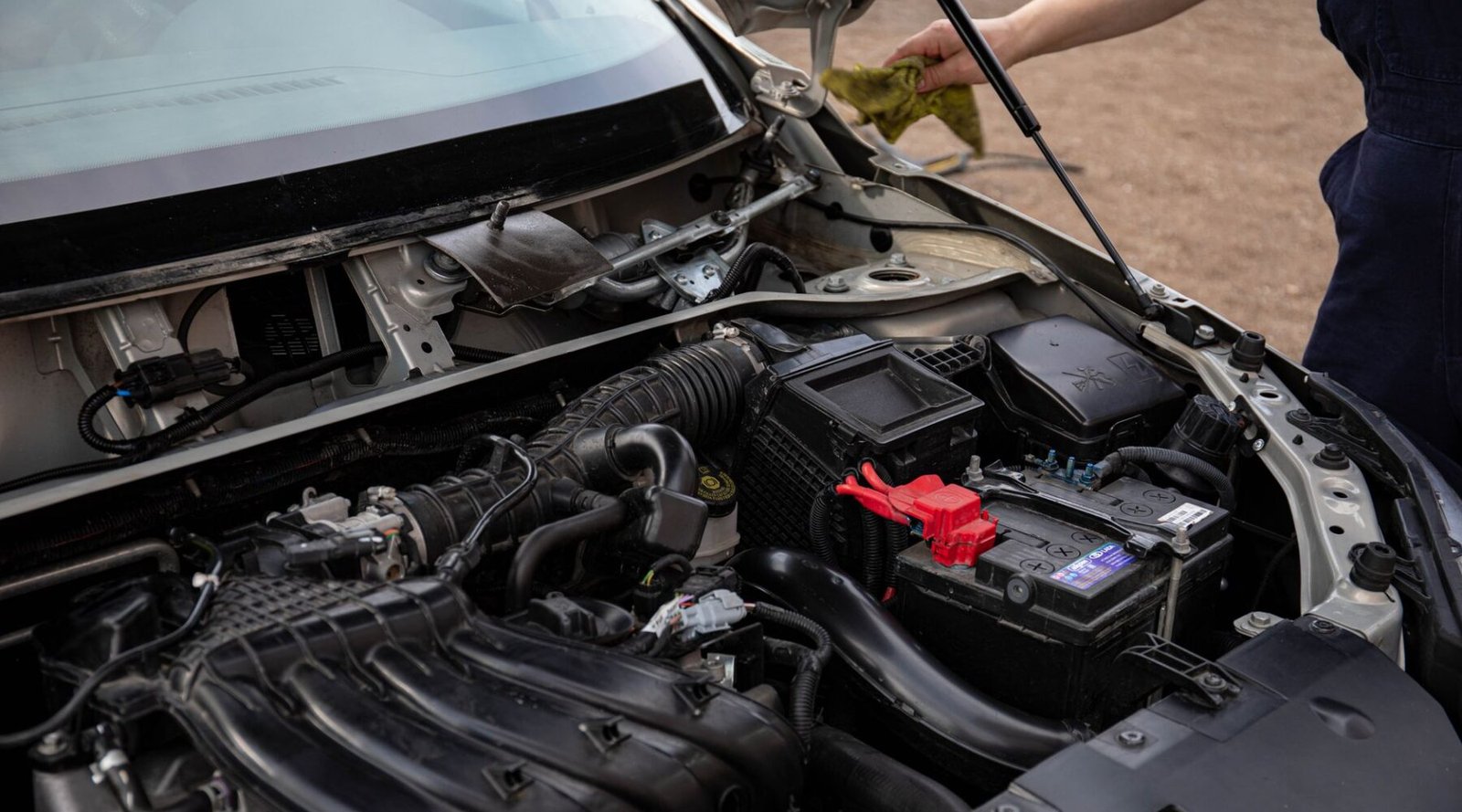
Corrosion around the battery terminals can prevent proper electrical connections. While some corrosion can be cleaned, excessive buildup may indicate an aging battery. If you notice significant corrosion, it’s best to have the battery tested and possibly replaced.
Testing your car battery
Before replacing your battery, it’s essential to confirm that it is indeed failing. There are a few methods to test your battery’s health:
1. Visual inspection
Perform a visual inspection of the battery and its terminals. Look for any signs of corrosion, leaks, or physical damage. Ensure that the battery is secured tightly in place.
2. Multimeter test
A multimeter can provide a clear indication of your battery’s voltage. A healthy, fully charged battery should read around 12.6 volts or higher. If the reading is below 12.4 volts, your battery may be weak. Anything below 12 volts typically indicates a failing battery.
3. Battery load test
A load test can determine how your battery performs under stress. Many auto parts stores offer free battery testing services that include a load test. This test simulates the power demands of your vehicle and provides a clear indication of battery health.
Factors affecting battery life
Several factors can influence the lifespan and performance of your car battery:
1. Temperature extremes
Both extreme heat and cold can adversely affect battery performance. High temperatures can accelerate chemical reactions within the battery, leading to premature failure. Conversely, cold weather can reduce the battery’s ability to provide sufficient power.
2. Short trips
If you primarily drive short distances, your battery may not have enough time to fully recharge. Regular short trips can lead to battery depletion and ultimately shorten its lifespan. Consider taking longer drives occasionally to help maintain battery health.
3. Electrical load
Modern vehicles come equipped with numerous electronic components that can drain the battery. Using auxiliary lights, sound systems, and other electronics while the engine is off can lead to battery failure. Be mindful of how you use these features, especially when parked for extended periods.
Maintaining your car battery
To prolong the life of your car battery, consider the following maintenance tips:
1. Regular cleaning
Keeping the battery terminals clean is essential for optimal performance. Use a mixture of baking soda and water to remove corrosion, and ensure the terminals are securely connected.
2. Inspection and testing
Regularly inspect your battery for any signs of wear and tear. Testing the battery’s voltage and overall health at least once a year can help catch issues before they lead to failure.
3. Professional servicing
If you are unsure about your battery’s condition, consult a professional mechanic. They can perform thorough tests and provide recommendations based on your battery’s health and your vehicle’s needs.
When to replace your battery
Even with proper maintenance, all batteries have a finite lifespan. It is generally advisable to replace your battery if:
- It is older than three to five years
- It exhibits any of the signs of failure mentioned earlier
- You experience repeated issues with starting your vehicle
Choosing the right battery
When it comes time to replace your battery, selecting the right one for your vehicle is crucial. Here are some factors to consider:
1. Battery type
There are several types of car batteries available, including lead-acid, AGM (Absorbent Glass Mat), and lithium-ion. Each has its advantages and disadvantages, so consider your vehicle’s requirements and your driving habits when making a choice.
2. Cold cranking amps (CCA)
Cold cranking amps indicate how well a battery can start an engine in cold weather. If you live in a region with harsh winters, opt for a battery with a higher CCA rating to ensure reliable starts.
3. Warranty
Look for a battery with a solid warranty that reflects the manufacturer’s confidence in their product. A longer warranty period can provide peace of mind and may save you money in the long run.
Conclusion
Knowing when your car battery needs replacing is key to ensuring your vehicle operates smoothly. By recognizing the signs of a failing battery and performing regular maintenance, you can extend its lifespan and avoid unexpected breakdowns. Stay proactive in battery care, and consult a professional when in doubt. A little attention to your battery can save you time, money, and frustration down the road.
Understanding battery lifespan and environmental factors
While many drivers are aware of the common signs indicating a failing car battery, such as slow engine cranking and dim headlights, there are deeper nuances to consider that can significantly influence battery lifespan and performance. One crucial aspect is the impact of environmental conditions on battery health. Extreme temperatures, both hot and cold, can accelerate the deterioration of battery components.
For instance, in colder climates, batteries can lose a significant portion of their starting power. At temperatures below 32°F, a car battery can lose about 35% of its power, while at 0°F, it can drop to 60%. This means that a battery which might seem strong during warmer months could struggle to perform adequately in the winter. Conversely, excessive heat can lead to faster evaporation of the battery’s electrolyte, resulting in sulfation and permanent damage to the battery plates.
“A battery subjected to extreme temperatures, especially in regions with fluctuating climates, will often require replacement sooner than one used in moderate conditions.”
To illustrate, consider a driver in Minnesota who uses their vehicle primarily during the winter months. If they notice that their car struggles to start on particularly frigid mornings, it could indicate that their battery is nearing the end of its life. In this case, regular testing during the fall can help identify any underlying issues before the cold sets in.
Another critical factor is the driving habits of the vehicle owner. Frequent short trips prevent the battery from fully charging, which can lead to a shorter lifespan. Batteries need to undergo a complete cycle of discharge and recharge to maintain their capacity. If you find yourself making quick trips around town—such as driving to the grocery store or running errands—consider taking longer drives once in a while to help rejuvenate the battery. Additionally, using accessories like heated seats or high-powered audio systems without the engine running can drain the battery faster than expected.
In terms of battery maintenance, it’s worth noting that regular visual inspections can reveal signs of wear that may not be immediately apparent. Corrosion around the terminals can be an indicator of a failing battery and should be cleaned off promptly. Moreover, if you notice any swelling or bulging in the battery casing, it’s a strong signal to replace it immediately, as this can lead to leaks or even rupture.
“Visual inspections can catch early signs of battery failure, allowing for proactive measures rather than reactive replacements.”
For a more proactive approach, consider investing in a battery tester or multimeter to monitor voltage levels over time. A healthy, fully charged car battery should measure around 12.6 volts or more. If the reading drops below 12.4 volts, it may be time to think about replacement, especially if accompanied by any performance issues. Some automotive shops offer free battery testing, which is a good opportunity to gauge the health of your battery without incurring any costs.
Ultimately, understanding how environmental factors and driving habits affect your battery can empower you to take preventive action, ensuring that your vehicle remains reliable in all conditions. By being proactive and informed, you can extend the life of your car battery and avoid unexpected breakdowns.
Understanding battery age and performance indicators
One of the most crucial yet often overlooked factors in determining whether your car battery needs replacement is its age and corresponding performance indicators. While many drivers rely on visual checks or simple tests, understanding the science behind battery performance can provide deeper insights into its longevity and reliability.
Car batteries, particularly lead-acid types, have a finite lifespan, generally ranging from three to five years. However, various factors can accelerate their decline. Temperature extremes can significantly impact battery life; for instance, high temperatures can cause the electrolyte to evaporate, reducing capacity, while cold temperatures can increase the battery’s internal resistance. Therefore, if you live in an area with harsh climatic conditions, it’s essential to consider not just the age of the battery but also how those conditions have affected it.
To better gauge the health of your battery, consider performing a load test, which assesses how well the battery can hold a charge under stress. Many auto parts stores offer free load testing services. This test measures the battery’s voltage while it’s under load, and if it drops below 9.6 volts during this test, it indicates that the battery may be nearing the end of its life cycle.
“A battery that struggles to hold voltage under load is a battery that is on borrowed time.”
Additionally, keep an eye out for subtle signs that might suggest battery problems. For example, if you notice that your headlights dim while idling but brighten when you rev the engine, this could indicate that the battery is not delivering adequate power. Another silent indicator can be the presence of corrosion on battery terminals. While minor corrosion can happen over time, excessive buildup can impede the battery’s ability to charge properly, leading to premature failure.
The vehicle’s warning systems can also provide valuable information. Modern cars come equipped with onboard diagnostics that can alert you to battery issues via dashboard lights or notifications. Make it a habit to pay attention to these indicators, as they can provide early warnings about battery health.
Lastly, remember that technology is rapidly evolving in the automotive sector. Newer battery technologies such as Absorbent Glass Mat (AGM) and lithium-ion batteries offer improved performance and longevity compared to traditional lead-acid batteries. If you’re considering a battery replacement, exploring these options may provide better value over time, especially for drivers who frequently use power-intensive accessories such as GPS systems, heated seats, or advanced sound systems.
In summary, understanding your car battery’s age, monitoring its performance under various conditions, and leveraging modern testing methods will equip you with the knowledge necessary to make informed decisions about battery replacement. This proactive approach not only extends the life of your battery but also enhances your vehicle’s overall performance and reliability.
Related reading: Clear technical indicators that your engine requires fresh oil, and How to know when your tires need replacing. For an outside reference on this topic, see NHTSA's vehicle resources.