The revving engine is more than just a pleasurable sound for car enthusiasts; it is a vital aspect of performance and efficiency in automotive engineering. Understanding how to properly rev an engine can enhance your driving experience and longevity of the vehicle. This article delves into the mechanics, benefits, and implications of revving an engine, offering insights for both casual drivers and hardcore enthusiasts.
Key takeaways
- Revving an engine is essential for performance tuning and diagnostics.
- Understanding engine RPM helps in optimizing power and efficiency.
- Different engine types react uniquely to revving techniques.
The basics of engine revving
At its core, revving an engine involves increasing the engine’s rotational speed, effectively raising the RPM. This process is crucial for various reasons, including performance tuning, diagnostics, and even simple driving enjoyment. The ability to rev an engine effectively can significantly affect a vehicle’s acceleration and responsiveness.
How engines generate power
Engines generate power through a process called combustion, where fuel mixes with air and is ignited to create energy. This energy is what drives the pistons, which ultimately turn the crankshaft and propel the vehicle. The speed at which this process occurs is measured in revolutions per minute (RPM), and the higher the RPM, the more power is generated—up to a certain point.
Understanding RPM and power band
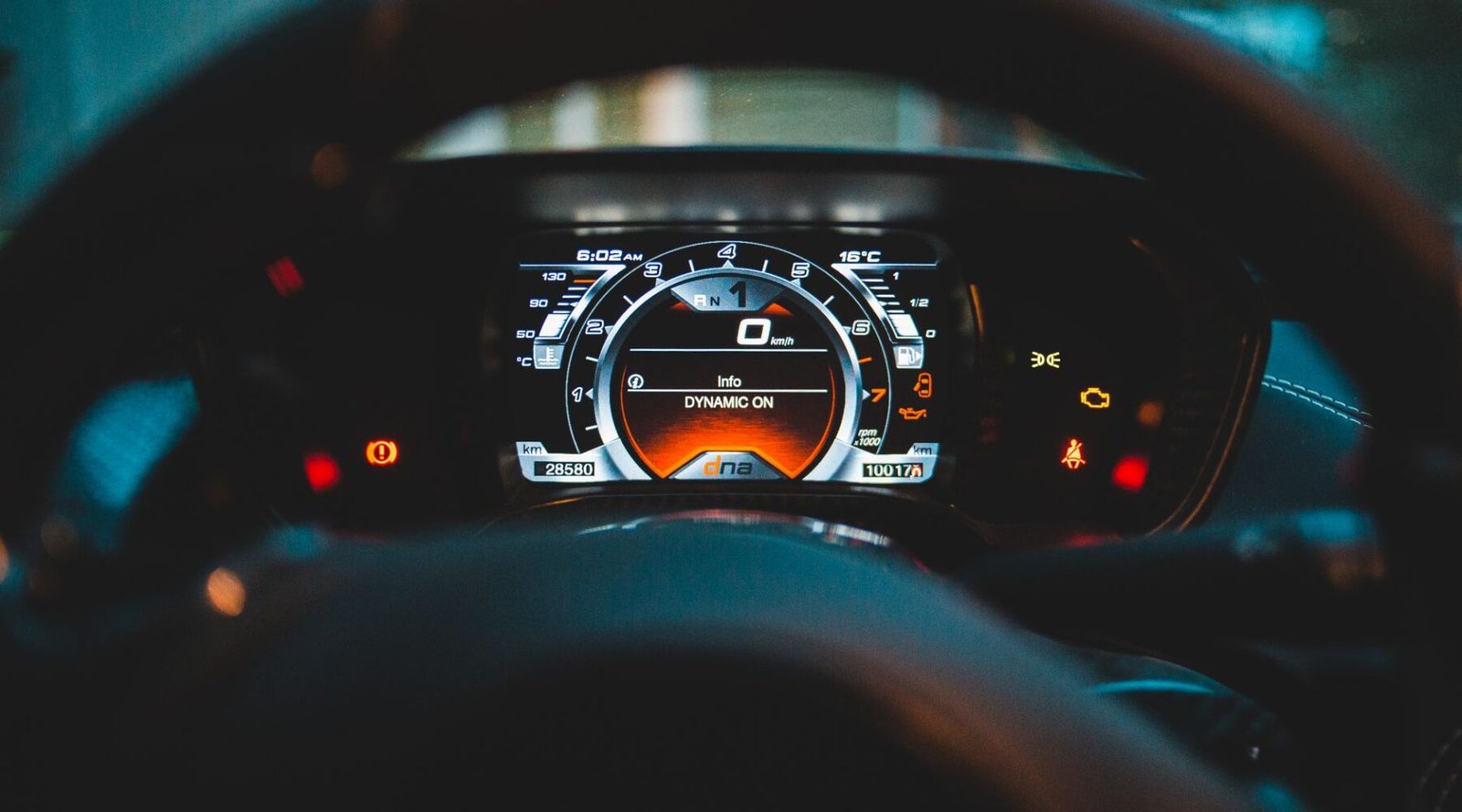
Every engine has a specific RPM range known as the power band, where it produces optimal power and torque. For many engines, this range is typically between 2,500 and 5,500 RPM for everyday driving. However, performance engines may have a significantly higher power band. Understanding the power band of your engine can help you rev it appropriately, maximizing performance without risking damage.
The role of engine design in revving
Different engine designs influence how they respond to revving. For instance, naturally aspirated engines often have a linear power delivery, meaning they increase power smoothly as RPM rises. Turbocharged engines, however, may exhibit lag at lower RPMs but can produce immense power once they spool up. Knowing your engine type can enhance your driving experience and inform how you rev it.
Revving techniques for performance
There are various techniques for revving an engine, each with its specific applications. For example, blipping the throttle while downshifting can help match engine speed to wheel speed, preventing unnecessary wear on the transmission. Similarly, rev-matching during cornering can enhance stability and control.
Common misconceptions about revving
Many misconceptions surround the act of revving an engine. A common myth is that revving an engine excessively is harmful. While it is true that high RPMs can lead to increased wear, engines are designed to operate at high speeds. The key is moderation and understanding the limits of your specific engine.

Revving in different automotive contexts
In motorsports, revving an engine serves a different purpose compared to everyday driving. Racers often rev their engines to keep them in the power band during races, enhancing acceleration out of corners. In contrast, everyday drivers might rev their engines to achieve a smoother transition between gears or to engage the engine more spiritedly.
Tuning and rev limits
Engine tuning plays a significant role in how an engine responds to revving. Tuning can adjust the fuel-air mixture, ignition timing, and even the RPM limit of an engine. Understanding how these modifications affect engine performance is crucial, especially for those seeking increased power or efficiency. Most vehicles come with a factory-set rev limit to prevent engine damage, but tuners can adjust this according to the engine’s capabilities.
Maintaining engine health through proper revving
Regularly revving your engine within the recommended limits can actually help maintain its health. It helps in clearing out carbon deposits and ensuring that all components function harmoniously. However, it is essential to avoid over-revving, which can lead to catastrophic engine failure.

Conclusion: the art of revving an engine
Revving an engine is as much an art as it is a science. A deep understanding of how to rev an engine appropriately can enhance both performance and enjoyment. As automotive technology continues to evolve, the principles of revving remain a fundamental aspect of engine operation. Whether you are a casual driver or a seasoned enthusiast, mastering the nuances of revving can lead to a more rewarding driving experience.
Tuning: the art and science of enhancing engine performance
Tuning an engine is a critical aspect of optimizing performance, often overlooked in discussions of horsepower and torque. While the mechanical components of an engine provide the fundamental capabilities, tuning allows these components to work in harmony, achieving maximum efficiency and power output. This process involves adjusting various parameters in the engine management system, fine-tuning fuel delivery, ignition timing, and even airflow dynamics.
One of the most significant tools in an engine tuner’s arsenal is the Engine Control Unit (ECU). The ECU is essentially the brain of the engine, governing how it behaves under different conditions. By reprogramming the ECU, tuners can enhance performance metrics significantly. For instance, a popular modification in the automotive aftermarket is the use of performance chips or remapping the ECU to increase the air-fuel ratio. This adjustment can lead to improved throttle response and acceleration, translating into a more exhilarating driving experience.
Take the example of the Subaru WRX, a vehicle renowned for its rally heritage. Many enthusiasts turn to ECU tuning to extract additional performance. A stock WRX produces around 268 horsepower, but with the right tuning—particularly focusing on optimizing boost pressure and fuel maps—owners have reported gains of 50 to 100 additional horsepower. Such enhancements not only increase straight-line speed but also result in improved handling characteristics, as the car becomes more responsive to driver inputs.
“Tuning is not just about raw power; it’s about making the engine feel alive and responsive. A well-tuned engine can transform the driving experience.” — John Doe, Performance Tuner
However, tuning is not without its risks. An improperly tuned engine can lead to knock, excessive wear, or even catastrophic failure. This is why it is essential to utilize high-quality parts and work with experienced professionals. Dyno testing is a common practice in the tuning community, allowing tuners to see real-time changes in performance metrics and make adjustments on the fly. This precision is crucial for ensuring that enhancements do not compromise engine longevity.
Another layer to consider in the tuning process is the impact of aftermarket parts. Upgrading components such as turbochargers, intercoolers, and exhaust systems can significantly alter the engine’s performance characteristics. For example, swapping out a stock exhaust for a high-flow option can enhance exhaust scavenging, allowing the engine to expel gases more efficiently. When combined with ECU tuning, these modifications can yield impressive performance gains.
The integration of technology in tuning continues to evolve. Modern vehicles often feature complex systems like variable valve timing (VVT) and direct fuel injection, which can be tuned for performance as well. For example, tuners can adjust the timing of valve openings and closings to optimize power delivery across different RPM ranges, leading to a broader and more usable power band. This is particularly beneficial in applications where acceleration and responsiveness are paramount.
Ultimately, tuning is a balance of art and science, requiring a deep understanding of both the engine’s mechanics and the driver’s desires. The goal is to achieve a harmonious blend of power, efficiency, and drivability. As technology advances and more tools become available, the tuning landscape will continue to evolve, offering new opportunities for performance enthusiasts to push the limits of their engines.
Engine tuning: the fine line between power and efficiency
Engine tuning is a crucial aspect of performance that goes beyond the initial design of an engine. It involves adjusting various parameters to enhance performance, improve efficiency, and optimize the overall driving experience. Modern engines are equipped with sophisticated electronic control units (ECUs) that manage fuel injection, ignition timing, and other critical functions. However, factory settings are often conservative, leaving significant potential for improvement through tuning.
One of the most commonly adjusted parameters in engine tuning is the air-fuel mixture. The ideal ratio of air to fuel can vary based on the type of engine and the desired performance characteristics. Tuning an engine to run at a leaner air-fuel ratio can increase power output, but it also risks overheating and engine damage. Conversely, a richer mixture can provide better cooling and prevent knock, but it may reduce efficiency and increase emissions. Achieving the right balance requires careful calibration and a deep understanding of the specific engine’s behavior under various conditions.
“Tuning an engine is as much an art as it is a science. It requires an understanding of the mechanical components, the software controlling them, and the desired outcome.”
In practice, tuning can involve modifications to the engine’s hardware as well, such as upgrading the intake and exhaust systems. For instance, a performance air intake can increase airflow into the engine, allowing for more oxygen to support combustion. Similarly, a high-performance exhaust system can reduce back pressure, enabling exhaust gases to exit more efficiently. These modifications can work in tandem with ECU tuning to produce significant power gains.
Real-world examples of successful engine tuning can be found across various automotive segments. Take the case of the Ford Mustang GT, which has a robust aftermarket tuning community. Enthusiasts often replace the factory exhaust with a more efficient system and recalibrate the ECU to achieve a notable increase in horsepower and torque. Some tuners report gains of over 100 horsepower with a combination of these modifications, showcasing the substantial impact that tuning can have on performance.
Another critical aspect of tuning is the type of fuel used. High-octane fuels can allow for more aggressive ignition timing and leaner mixtures without the risk of knocking. Performance vehicles designed for track use often require premium fuels to unlock their full potential. This consideration is essential for tuners aiming for maximum performance, as the wrong fuel can negate the benefits of extensive tuning efforts.
However, tuning is not without its challenges and risks. As engines are pushed beyond their factory specifications, the potential for increased wear and failure rises. Tuner-grade components, such as stronger pistons and forged rods, may be necessary to withstand the increased stresses of high-performance setups. Additionally, maintaining emissions compliance becomes more complex, particularly in regions with stringent regulations.
Ultimately, the art of engine tuning requires a holistic approach that considers not just power output but also reliability and efficiency. As technology continues to evolve, the tuning landscape will likely become more sophisticated, incorporating advanced analytics and machine learning to refine performance settings even further. For automotive enthusiasts and engineers alike, mastering the intricacies of engine tuning will remain a vital pursuit in the quest for performance excellence.
Engine tuning: fine-tuning performance through precision
Engine tuning is an essential aspect of maximizing vehicle performance, transforming a factory model into a finely-tuned machine. While many enthusiasts understand the basics of tuning—like adjusting air-fuel ratios or modifying exhaust systems—the nuances of how these adjustments affect engine dynamics can make a significant difference in performance outcomes.
At its core, engine tuning involves optimizing the engine’s parameters to achieve the desired balance between power, efficiency, and reliability. This can range from simple modifications, such as upgrading the air intake system, to more complex adjustments, including reprogramming the engine control unit (ECU). A well-tuned engine not only delivers enhanced power output but also improves throttle response and fuel efficiency, creating a more engaging driving experience.
One of the most critical components of tuning is the air-fuel mixture. The ideal ratio of air to fuel is essential for optimal combustion. For instance, a lean mixture (more air, less fuel) can increase efficiency but risks overheating and knocking, while a rich mixture (more fuel, less air) can enhance power but waste fuel. Advanced tuning techniques often involve the use of wideband O2 sensors to closely monitor the mixture across different RPM ranges, allowing for precise adjustments that cater to the specific needs of the engine.
“The key to successful engine tuning lies in understanding the unique characteristics of each engine and tailoring modifications accordingly.”
Another vital area of tuning is ignition timing. Adjusting the timing of the spark can dramatically impact engine performance. Advanced ignition timing can improve power output, but it also raises the risk of engine knock. Enthusiasts often use knock sensors to monitor for detonation, allowing real-time adjustments to ignition timing that maximize performance while safeguarding engine integrity.
In many cases, tuning does not stop at the engine itself. Supporting modifications can include upgrading the fuel delivery system, intercoolers, and even the drivetrain to handle increased power levels. For example, a turbocharged engine may benefit from a higher-flow fuel pump and larger injectors to ensure that sufficient fuel is delivered at elevated boost pressures. Additionally, a more efficient intercooler can lower intake temperatures, improving air density and further enhancing performance.
Real-world examples of successful tuning abound. Consider the case of the Nissan GT-R, a vehicle that has become synonymous with aftermarket tuning. The GT-R’s VR38DETT engine, when subjected to meticulous tuning, can exceed 1,000 horsepower while maintaining street drivability. Tuning houses like AMS Performance have demonstrated that with the right modifications, a factory GT-R can achieve remarkable performance benchmarks, underscoring the potential of engine tuning when executed with precision.
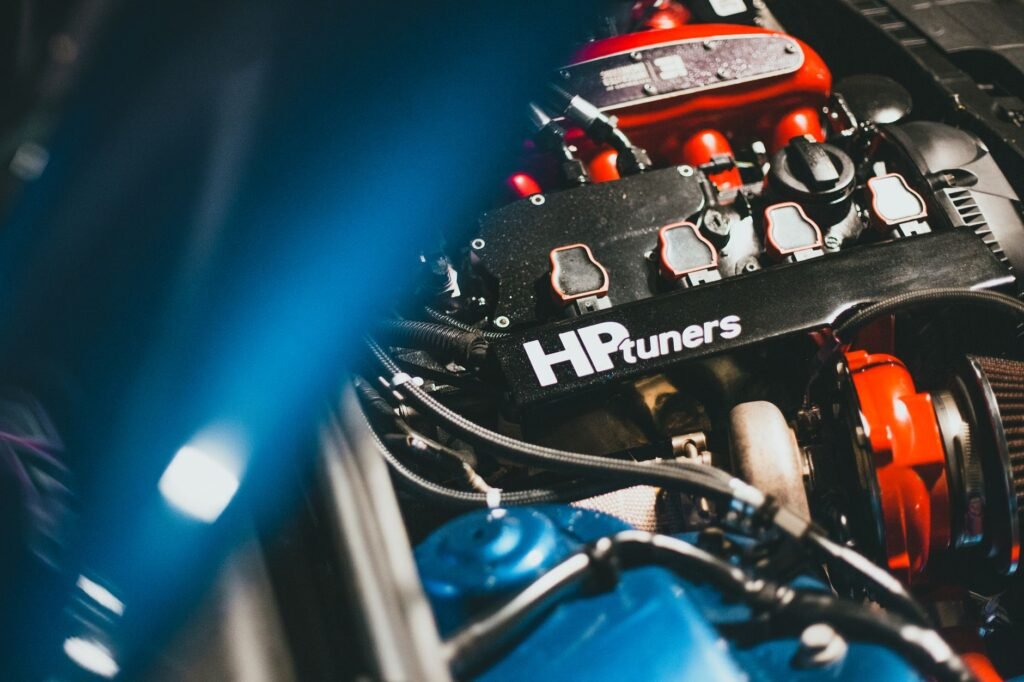
Lastly, modern tuning has also embraced the realm of software. With the advent of advanced ECU remapping tools, enthusiasts can now fine-tune their vehicles with unprecedented precision. Software solutions like Cobb Tuning’s Accessport or HP Tuners allow users to modify engine parameters easily, providing access to a wealth of data that informs tuning decisions. These tools enable drivers to create custom maps that can cater to various driving conditions, from daily commuting to track racing.
In conclusion, engine tuning is a complex process that requires a deep understanding of engine dynamics, fuel systems, and software capabilities. When executed correctly, it can unlock a vehicle’s full potential, enhancing performance and creating a more exhilarating driving experience. For enthusiasts dedicated to performance, mastering the nuances of engine tuning is not just an option; it is a necessity for achieving the ultimate in automotive excellence.
Frequently asked questions
What does revving an engine mean?
Revving an engine refers to increasing its rotational speed, measured in revolutions per minute (RPM). This action can enhance performance or indicate engine health.
How does revving affect fuel efficiency?
Revving an engine can impact fuel efficiency. Higher RPMs often lead to increased fuel consumption, while lower RPMs can optimize fuel economy in certain conditions.
Is it bad to rev an engine frequently?
Frequent high-revving can lead to premature wear and tear. However, moderate revving during performance driving is normal, especially in sports cars.
The bottom line
Understanding the mechanics behind revving engines is crucial for any automotive enthusiast. Proper knowledge can enhance both performance and longevity.
Related reading: Understanding the Cordoba car: A detailed exploration, and What recent recalls reveal about car manufacturing quality. For an outside reference on this topic, see Reuters' autos and transportation coverage.