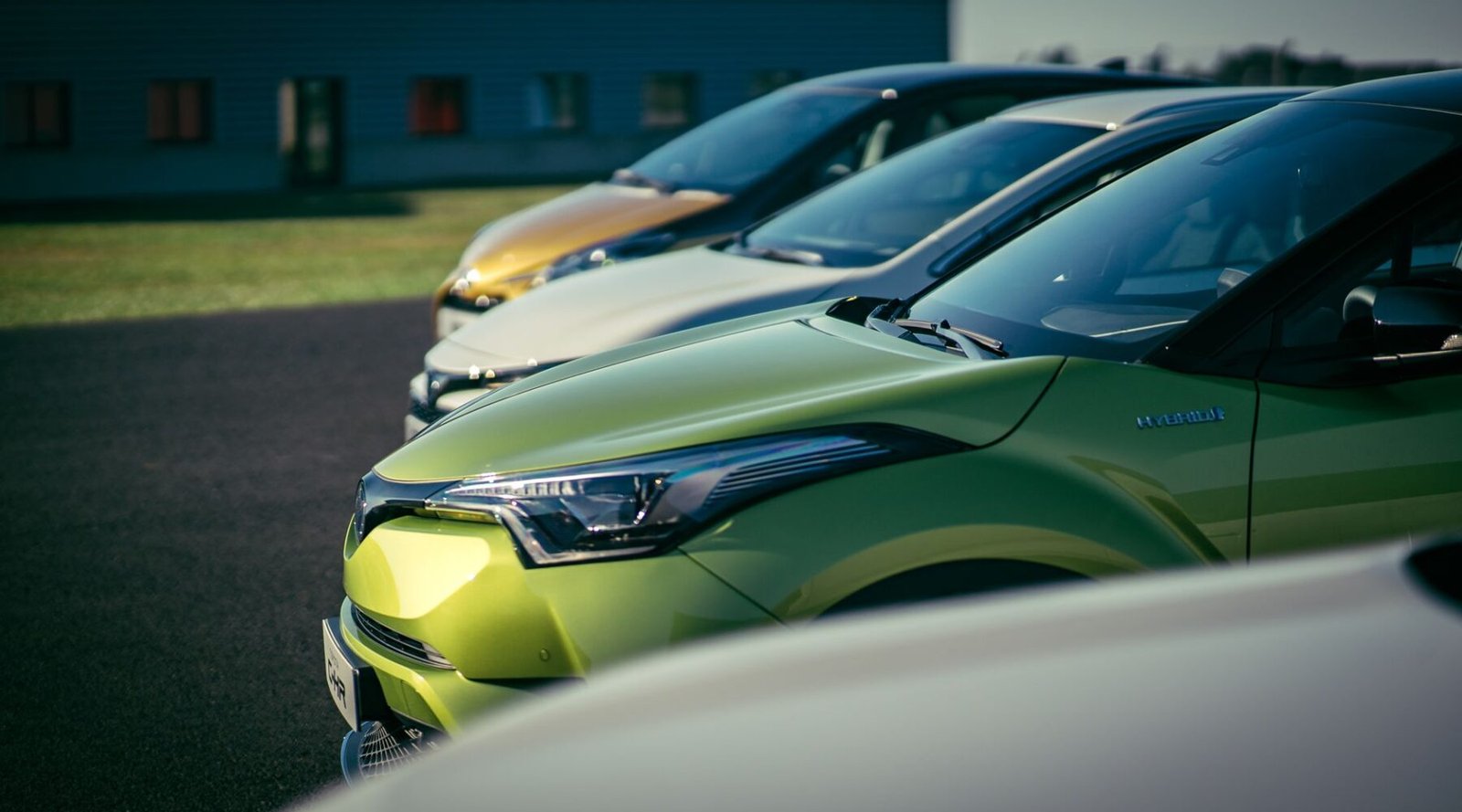
Finding the best electric cars for families can be a daunting task, especially with the rapid growth of the electric vehicle market. Families need vehicles that offer not only efficiency but also ample space, advanced safety features, and technology that keeps everyone entertained. In this article, we will highlight some of the best electric cars that cater to families, ensuring that your next vehicle is both practical and eco-friendly.

Key considerations for family electric vehicles

When evaluating electric cars for families, several factors come into play. Safety is paramount, especially with children on board. Look for vehicles that have received high ratings from safety organizations. Space is another critical factor; families often require more room for passengers and cargo. Additionally, technology features such as infotainment systems, connectivity options, and driver assistance features can make family trips more enjoyable and less stressful.

Top electric cars for families

Tesla Model Y

The Tesla Model Y has quickly gained popularity among families thanks to its spacious interior and impressive range. With seating for up to seven passengers, the Model Y offers enough room for larger families. Its minimalist design is complemented by a robust infotainment system that includes a large touchscreen interface and access to Tesla’s extensive Supercharger network, making long trips more manageable. Safety is a priority for Tesla, and the Model Y has received top marks from various safety organizations.

Ford Mustang Mach-E

Ford’s Mustang Mach-E is another excellent choice for families seeking an electric vehicle. This SUV combines style with functionality, offering ample cargo space and comfortable seating for five. The Mach-E boasts impressive technology features, including a user-friendly infotainment system and Ford’s Co-Pilot360 suite of driver assistance technologies. With multiple battery options available, families can choose the range that best fits their needs, ensuring a hassle-free driving experience.

Hyundai Ioniq 5

The Hyundai Ioniq 5 stands out with its futuristic design and spacious interior. This electric crossover offers generous legroom and cargo capacity, making it ideal for family outings. The Ioniq 5 is also equipped with a range of advanced safety features, including adaptive cruise control and lane-keeping assist. Families will appreciate the vehicle’s fast-charging capabilities, allowing for quick stops on longer trips. Additionally, its tech-savvy interior includes a dual-screen setup that keeps everyone connected during the journey.

Volkswagen ID.4

The Volkswagen ID.4 combines practicality with performance, making it a solid choice for families. This compact SUV provides ample space for passengers and cargo, with an interior designed for comfort. The ID.4 comes with a suite of safety features and driver assistance systems, ensuring peace of mind while driving. Its infotainment system is intuitive and includes smartphone integration, making it easy to stay connected. The ID.4 also offers a competitive electric range, making it suitable for both city and highway driving.

Kia EV6

The Kia EV6 is a stylish electric crossover that offers a spacious cabin and impressive technology features. With seating for five and ample cargo space, it is designed with families in mind. The EV6 features a modern infotainment system with a dual-screen layout and numerous connectivity options. Safety is also a key focus, with several advanced driver assistance features included as standard. Families will appreciate the vehicle’s fast charging capabilities and long range, making it a practical option for everyday use.

Conclusion: Choosing the right electric family car

As the electric vehicle market continues to evolve, families have more options than ever. The Tesla Model Y, Ford Mustang Mach-E, Hyundai Ioniq 5, Volkswagen ID.4, and Kia EV6 all stand out for their spacious interiors, advanced safety features, and technology that enhances the driving experience. When choosing the best electric car for your family, consider your unique needs, such as passenger capacity, cargo space, and the specific technology features that are most important to you. With the right choice, you can enjoy a comfortable, safe, and environmentally friendly ride for your family.

Considering electric vehicle charging solutions for families

When families transition to electric vehicles (EVs), one of the most critical aspects to consider is the charging infrastructure. Understanding how and where to charge can significantly influence the overall ownership experience. For families, especially those with tight schedules and varied daily demands, having a reliable and convenient charging solution is paramount.

Home charging is often the most convenient option for families. Installing a Level 2 home charger allows for faster charging, typically providing around 25 miles of range per hour of charging. This means that overnight charging can fully replenish the battery and prepare the vehicle for the next day’s activities. Many families may opt for a wall-mounted charger in their garage or driveway. However, it is essential to evaluate the home’s electrical capacity and possibly consult with an electrician to ensure that the installation meets safety standards and can handle the additional load.

For families who may not have access to a private garage, public charging options become more critical. Many urban and suburban areas are increasingly equipped with fast-charging stations that can provide a substantial charge in a short time. For instance, stations using DC fast charging can deliver up to 80% charge in about 30 minutes. This is beneficial during family road trips or outings, allowing for quick stops at charging stations along the way.

One popular resource for families is the use of apps or websites that map out charging stations. Platforms like PlugShare or ChargePoint provide real-time information on charger availability, types, and even user reviews, which can help families plan their trips better. This is particularly useful for longer journeys where charging stops may be necessary.

Moreover, families should consider the different charging solutions available, such as those offered by companies like Tesla, which has a comprehensive Supercharger network. Tesla’s fast chargers enable long-distance travel with minimal downtime. Other manufacturers, like Ford and Volkswagen, are also expanding their charging networks, making it easier for families with their electric models to find charging locations.

Beyond charging speed and availability, families should also account for charging costs. Many utility companies offer special rates for EV charging during off-peak hours, which can significantly reduce electricity bills. Some families may choose to charge their vehicles during the night when rates are lower, allowing them to save money while ensuring their vehicle is ready for the day ahead.

In addition to home and public charging, there are also workplace charging options to consider. If both parents work at companies that provide charging stations, this can ease the burden of charging at home and provide added convenience. Families should inquire about workplace policies and available charging infrastructure, as it can help integrate electric vehicle ownership into daily routines.

In conclusion, while selecting the best electric car for families is essential, understanding the charging solutions available is equally crucial to ensure a seamless experience. By evaluating home charging options, utilizing public charging networks, and considering workplace charging, families can enhance their electric vehicle ownership and make sustainable transportation a practical reality.

Exploring family-friendly features in electric vehicles

When selecting an electric car for a family, it’s crucial to look beyond just range and price. Families have unique needs that require special attention to safety, comfort, and convenience. Here are several family-oriented features that can significantly enhance the ownership experience.

First, consider the importance of spacious interiors. Many electric vehicles (EVs) are designed with ample cabin space. For instance, the Tesla Model Y offers a roomy second row with a flat floor and a generous cargo area. Its optional third row can accommodate up to seven passengers, making it an excellent choice for larger families. The Volkswagen ID.4 also prioritizes space; its design maximizes headroom and legroom, ensuring that children and adults alike can travel comfortably.

Safety is paramount for families, and EVs are increasingly equipped with advanced driver-assistance systems (ADAS). The Ford Mustang Mach-E comes with Ford Co-Pilot360, which includes features like adaptive cruise control, lane-keeping assist, and automatic emergency braking. These systems help reduce the stress of driving and enhance road safety, particularly during long trips. Similarly, the Hyundai Ioniq 5 boasts a five-star Euro NCAP safety rating, underscoring its robust safety features.

Another essential aspect for families is tech connectivity. The Kia EV6 stands out with its dual-screen infotainment setup, which includes a 12.3-inch touchscreen and a digital driver display. This setup allows for seamless navigation and media control, and it supports various smartphone integration systems, making it easier for family members to stay connected on the go. Families can also benefit from multiple USB ports throughout the cabin, ensuring devices stay charged during travels.

Furthermore, the importance of cargo space cannot be overstated. The Nissan Ariya features a large trunk area, and its flat loading floor makes it easier to load heavy items like strollers or sports gear. The car’s hatchback design also allows for quick access to the rear, which is especially helpful when managing kids and their belongings. Similarly, the Rivian R1S offers an innovative gear tunnel that provides additional storage space, making it ideal for families with active lifestyles.

When it comes to ease of use, features such as hands-free liftgates can be a game-changer for families. The Chevrolet Bolt EUV includes a hands-free liftgate that opens with a simple kicking motion underneath the rear bumper, a significant advantage when your hands are full with groceries or children. Additionally, the spacious rear seating area allows for easy access to child safety seats, an essential consideration for parents.

Finally, battery range and charging convenience play a vital role in a family’s daily routine. The Ford F-150 Lightning, for example, offers a range of up to 300 miles on a full charge, making it suitable for long family road trips. Its onboard generator can also power outdoor activities like camping, enhancing its utility for families who enjoy outdoor adventures.

In conclusion, when selecting the best electric car for families, look for spacious interiors, advanced safety features, tech connectivity, ample cargo space, ease of use, and robust battery performance. These elements combined create a family-friendly vehicle that caters to the diverse needs of family life.

Understanding the total cost of ownership for electric family vehicles

When families consider purchasing an electric vehicle (EV), they often focus on the initial price tag, but the total cost of ownership (TCO) is a more comprehensive metric that can significantly influence financial decisions. TCO includes not only the purchase price but also factors like insurance, maintenance, charging costs, and depreciation. Understanding these aspects helps families make informed choices.

For example, while the upfront cost of electric vehicles like the Tesla Model Y or Ford Mustang Mach-E may be higher than their gas-powered counterparts, the savings over time can be substantial. According to a 2022 study by the U.S. Department of Energy, EV owners can save an average of $800 to $1,000 annually on fuel and maintenance costs compared to traditional vehicles. These figures are particularly relevant for families who rely heavily on their cars for daily commutes, school runs, and weekend trips.

Insurance is another critical factor. Generally, EVs can have higher premiums due to their higher value and the cost of repairs, which may include expensive battery replacements. However, some insurers offer discounts for EV owners, recognizing their lower risk profiles and lower accident rates. Families should shop around for insurance options that provide the best balance of coverage and cost.

“Electric vehicles present a unique financial landscape; it’s essential for families to consider all aspects of ownership, not just the purchase price.”

Charging costs also play a significant role in TCO. Many families have the option to charge their EV at home, which can lead to substantial savings. The average cost of electricity in the U.S. is about $0.13 per kilowatt-hour (kWh), and with most EVs averaging around 4 miles per kWh, families can expect to pay approximately $0.03 per mile. In contrast, the average cost of gasoline hovers around $3.50 per gallon, translating to roughly $0.14 per mile for a gas vehicle that achieves 25 miles per gallon. This disparity presents a compelling case for families to consider EVs, especially for those with longer daily commutes.

Additionally, families should factor in potential savings from federal and state incentives for electric vehicle purchases. The federal government offers a tax credit of up to $7,500 for eligible EVs, and numerous states provide additional rebates or tax incentives that can further reduce the effective purchase price. These incentives can significantly offset the initial cost, making EVs more accessible for families.

Depreciation is another aspect that can impact TCO. Historically, electric vehicles have experienced faster depreciation rates than traditional cars, largely due to the rapid advancements in battery technology. However, this trend is changing as EVs become more mainstream and their resale values stabilize. Families should consider the long-term value of their investment, especially as the market for used electric vehicles begins to expand.

“As electric vehicles continue to evolve, understanding their total cost of ownership will become increasingly important for families making a purchasing decision.”

In conclusion, while the upfront costs of electric cars for families may seem daunting, a deeper dive into the total cost of ownership reveals potential long-term savings that can make these vehicles a financially sound choice. By factoring in insurance, maintenance, charging, incentives, and depreciation, families can better assess the true value of investing in an electric vehicle.

Related reading: Home Charging 101: What You Need Before Your EV Arrives, and The best electric SUVs on the market today. For an outside reference on this topic, see the Department of Energy's home charging guide.