Introduction to the 97 Honda Civic
The 1997 Honda Civic is a model that has left an indelible mark on the automotive landscape. Renowned for its reliability and efficiency, the 97 Civic is often held up as a benchmark for compact cars of its time. Its combination of practicality, performance, and affordability has made it a popular choice among drivers for decades.
Key takeaways
- The 1997 Honda Civic set a standard for reliability and fuel efficiency.
- With multiple trims, it catered to various consumer preferences.
- The Civic's design was both functional and stylish for its time.
Overview of the 1997 Honda Civic
The 1997 Honda Civic was part of the sixth generation of the Civic line, which was produced from 1996 to 2000. This compact car was available in several trims, including the DX, LX, EX, and the sporty Si model. Each trim offered its own unique set of features and specifications, appealing to a wide range of consumers.
Design and Features
The design of the 97 Honda Civic was characterized by its sleek lines and aerodynamic profile. The compact dimensions made it easy to maneuver in urban environments while providing ample interior space for passengers and cargo. Inside, the Civic boasted a well-thought-out layout with easy-to-read gauges and comfortable seating.

Engine Options and Performance
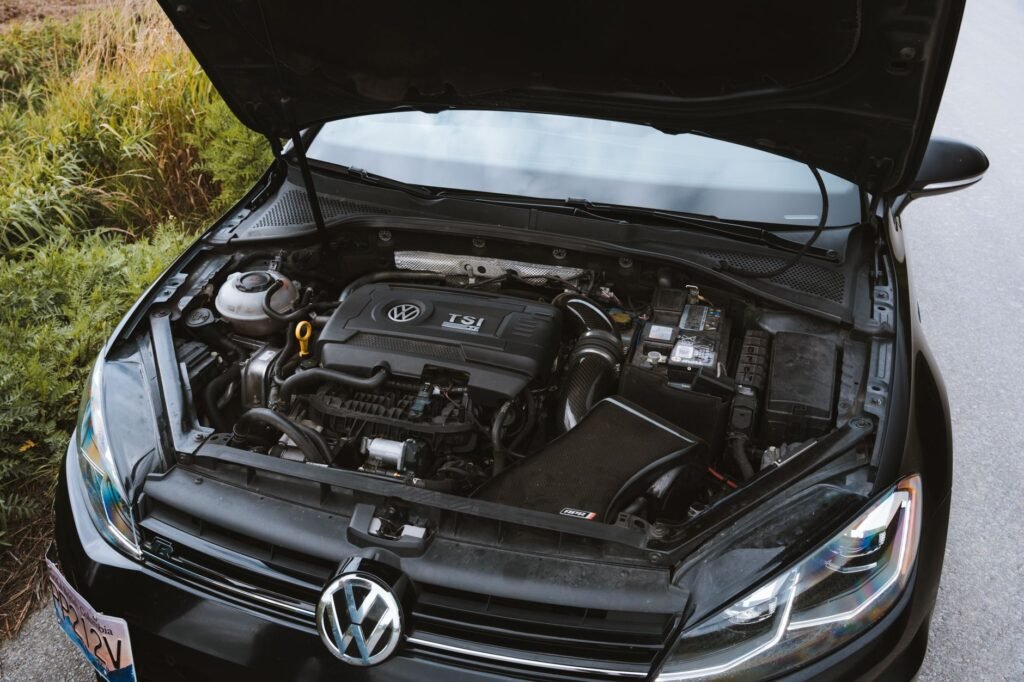
Under the hood, the 1997 Honda Civic offered a variety of engine options. The base model came equipped with a 1.6-liter inline-four engine that produced 106 horsepower. For those seeking a sportier experience, the Si model featured a VTEC version of the same engine, which increased power to 125 horsepower. This engine was well-regarded for its responsiveness and efficiency, making it a favorite among enthusiasts.
Fuel Efficiency
One of the standout features of the 1997 Honda Civic was its fuel efficiency. With an EPA rating of approximately 25 mpg in the city and 33 mpg on the highway, it was an economical choice for drivers. This impressive fuel economy made it particularly appealing during an era of rising gas prices.
Safety Features
The 1997 Honda Civic was equipped with essential safety features for its time. While it may not have the advanced safety technologies found in modern vehicles, it came standard with dual front airbags and had a solid reputation for reliability. The Civic performed well in crash tests, further solidifying its status as a safe choice for consumers.
Driving Experience
The driving experience of the 97 Honda Civic was marked by its nimble handling and responsive steering. The compact size of the vehicle made it easy to navigate through tight spaces, while the suspension system provided a comfortable ride. Whether commuting to work or taking a weekend drive, the Civic offered a satisfying experience behind the wheel.
Legacy and Impact
The 1997 Honda Civic has left a lasting legacy in the automotive world. It set a high standard for reliability and efficiency that many compact cars strive to achieve even today. The Civic’s reputation has led to a strong following among enthusiasts, with many people restoring and preserving these vehicles as a nostalgic homage to a time when simplicity and functionality reigned supreme.
Interested in This Car?
If you are considering this vehicle, you can check its current availability, pricing and purchase options from the seller.
Conclusion
The 1997 Honda Civic is more than just a compact car; it is a symbol of reliability and efficiency in the automotive world. Its legacy continues to influence Honda’s approach to compact vehicles today, making it a classic worth remembering. Whether you are a longtime fan of the Civic or new to the brand, the 97 Civic remains an excellent choice for those seeking a dependable and economical vehicle.
Interested in This Car?
If you are considering this vehicle, you can check its current availability, pricing and purchase options from the seller.

Aftermarket culture and the 97 Honda Civic
The 1997 Honda Civic is not just a car; it is a canvas for personal expression and modification. The aftermarket culture that has developed around this model is extensive and diverse, offering enthusiasts a plethora of options to enhance both performance and aesthetics. This culture is a significant part of why the 97 Civic maintains its appeal, especially among younger generations.
One of the most notable aspects of the aftermarket scene is the availability of parts. Manufacturers and aftermarket suppliers have catered to the Civic community for decades, producing everything from engine components to body kits. For example, brands like Spoon Sports and JDM Import have developed performance parts specifically for the B-series engine that powers many 97 Civics, allowing tuners to push the limits of horsepower while maintaining reliability.
Moreover, the Civic’s platform is renowned for its versatility. Whether a driver is interested in building a street racer or a show car, the 97 Civic can accommodate a variety of builds. The ease of swapping engines is particularly appealing. Many enthusiasts opt for the K-series engine swap, which significantly boosts performance and creates a unique driving experience. This flexibility not only extends the lifespan of the vehicle but also fosters a sense of community among owners who share tips and advice on modifications.
“The 97 Civic is like a Swiss Army knife for tuners. You can make it fit your style and needs, whether you want to drift, drag race, or just have a reliable daily driver.” – A well-known Honda tuner
Visual customization is another integral part of the Civic’s aftermarket appeal. Body kits, performance wheels, and custom paint jobs allow owners to transform their Civics into unique expressions of their personalities. Events like the annual Honda Civic Meet showcase these creative modifications, bringing together enthusiasts to share their passion and ideas. Such gatherings foster a sense of camaraderie and belonging, reinforcing the Civic’s status as a beloved platform.
Furthermore, the Civic’s lightweight design and front-wheel-drive layout make it an ideal candidate for various motorsport activities. Many owners participate in grassroots racing events, such as autocross and track days, where the Civic’s nimble handling and responsive steering shine. The car’s competitive performance at these events has solidified its reputation as an affordable entry point into motorsports, encouraging new enthusiasts to take up racing.
In the digital age, the online community surrounding the 97 Civic has flourished. Platforms like Reddit, Instagram, and YouTube host countless forums, pages, and channels dedicated to sharing builds, modifications, and racing experiences. This connectivity offers invaluable resources for newcomers and seasoned veterans alike, making it easier than ever to find support and inspiration.
In essence, the aftermarket culture surrounding the 97 Honda Civic is a crucial element of its enduring appeal. It allows for creative expression, fosters community, and provides a pathway for performance enhancement that few other vehicles can match. This lively culture is not just a trend; it is a testament to the Civic’s legacy as a beloved platform that continues to inspire and unite car enthusiasts around the world.
Aftermarket culture and customization
The 1997 Honda Civic has not only captured the hearts of enthusiasts but has also inspired a vibrant aftermarket culture that continues to thrive today. This model year became a blank canvas for tuners and modifiers, who saw its lightweight chassis and reliable engine as the perfect foundation for performance upgrades. From the early days of street racing to the contemporary car meet scene, the Civic has remained an integral part of car culture, showcasing the creativity and innovation of its community.
One of the most significant aspects of the 97 Civic’s appeal lies in its extensive aftermarket support. Brands like Spoon Sports, JDM Honda, and AEM have developed a plethora of parts specifically tailored for the 1997 Civic. Components range from simple bolt-on modifications like cold air intakes and exhaust systems to more complex upgrades such as turbo kits and engine swaps. For example, the popular B-series engine swap—specifically the B18C from the Acura Integra Type R—has become a rite of passage for many enthusiasts, offering a substantial power increase while retaining the Civic’s lightweight agility.
The Civic’s versatility means it can be customized to fit a variety of automotive tastes, whether one prefers a clean, understated look or an aggressive, race-ready aesthetic. Custom body kits, aftermarket wheels, and unique paint jobs have turned many Civics into rolling works of art. This personalization doesn’t just enhance the car’s performance; it also fosters a sense of community among owners who share tips, tricks, and resources for building their dream Civics.
“The Civic is more than just a car; it’s a lifestyle. It opens doors to friendships and collaborations that go beyond the garage.” – Local Honda enthusiast
Social media platforms have further amplified this culture, allowing owners to showcase their builds and connect with like-minded individuals across the globe. Instagram, YouTube, and forums dedicated to Honda enthusiasts have become essential resources for sharing knowledge and inspiring others. Videos showcasing Civic builds, tutorials on DIY modifications, and even virtual meetups have created a sense of camaraderie, reinforcing the Civic’s status as an automotive icon.
Moreover, the Civic’s affordability has made it accessible to a wider range of enthusiasts, encouraging younger generations to dive into car culture. The ability to purchase a used 97 Civic for a few thousand dollars has allowed many to experience the thrill of car ownership without breaking the bank. This accessibility has resulted in an influx of new enthusiasts who are eager to learn and participate in the community, ensuring the Civic remains relevant as automotive technology evolves.
As we look to the future, the legacy of the 1997 Honda Civic continues to be shaped by its dedicated community of enthusiasts. The ongoing trend of customization and modification not only keeps the vehicle alive in popular culture but also ensures that it remains a significant player in the automotive landscape. Whether it’s through local meets, national shows, or online communities, the 97 Civic remains a symbol of personal expression and automotive passion.
Aftermarket culture and customization potential
The 1997 Honda Civic stands out not only for its reliability and fuel efficiency but also for its vibrant aftermarket culture. This vehicle has become a canvas for enthusiasts and modifiers, fostering a community that celebrates creativity and individuality. From performance upgrades to aesthetic modifications, the Civic has transformed into a symbol of personal expression for many car lovers.
One of the most notable aspects of the aftermarket scene is the sheer volume of parts available for the 1997 Civic. Companies like AEM, Skunk2, and HKS have developed a wide range of performance-enhancing components, including intake systems, exhausts, and suspension kits. This accessibility allows both novice and seasoned enthusiasts to engage in customization projects without breaking the bank. For example, a simple swap to a cold air intake can lead to noticeable improvements in throttle response and engine sound, making it an appealing upgrade for many owners.
Moreover, the Civic’s lightweight chassis and responsive handling characteristics make it an ideal candidate for performance tuning. Enthusiasts often turn to aftermarket coilover suspension kits to enhance the car’s handling, enabling it to tackle corners with precision. This adaptability has led to the Civic’s popularity in motorsport, particularly in grassroots racing events like autocross and track days. The Civic’s performance potential is further exemplified by the numerous racing teams that have adopted it, showcasing its capabilities on various competitive platforms.
“The Civic isn’t just a car; it’s a movement that unites a diverse group of people who share a passion for performance and aesthetics.”
Customization extends beyond mere performance; the visual modifications have also played a crucial role in the Civic’s enduring appeal. Enthusiasts often personalize their rides with body kits, custom paint jobs, and unique wheel designs. The 1997 Civic has become a favorite subject for car shows and meets, with owners proudly displaying their distinct interpretations. Online communities and social media platforms have further fueled this trend, where enthusiasts share their projects and inspire others. The hashtag #CivicNation on Instagram, for instance, features thousands of posts showcasing the creativity and innovation within the Civic community.
The camaraderie that stems from this aftermarket culture is significant as well. Local car meets and online forums provide platforms for owners to connect, share knowledge, and celebrate their passion for the 1997 Civic. This sense of community fosters a welcoming environment for newcomers to the automotive world, encouraging them to participate in modding and maintenance. Many enthusiasts find mentorship and friendship through these interactions, solidifying the Civic’s role not only as a vehicle but as a cultural touchstone.
In summary, the aftermarket culture surrounding the 1997 Honda Civic is a key factor contributing to its enduring appeal. The availability of performance parts, the potential for customization, and the sense of community all create an atmosphere that encourages ownership and modification. For many, the Civic represents more than just reliable transportation; it embodies a lifestyle infused with creativity, camaraderie, and a shared love for automotive excellence.
Frequently asked questions
What engine options were available for the 1997 Honda Civic?
The 1997 Honda Civic offered several engine options, including a 1.6-liter inline-four that produced 106 horsepower. The more performance-oriented Si model featured a 1.6-liter VTEC engine that increased output to 125 horsepower.
What was the fuel economy of the 1997 Honda Civic?
The 1997 Honda Civic was known for its impressive fuel economy, achieving around 25 mpg in the city and up to 33 mpg on the highway. These figures made it a popular choice among drivers looking to save on fuel costs.
How does the 1997 Honda Civic compare to modern compact cars?
While the 1997 Honda Civic excelled in reliability and efficiency, modern compact cars offer advanced technology, safety features, and improved performance. However, the Civic still holds nostalgic value for many enthusiasts.
The bottom line
The 1997 Honda Civic remains a beloved classic, known for its reliability and efficiency. Its legacy continues to influence Honda's compact cars today.
Related reading: The best electric cars for winter driving, and The best electric cars for families. For an outside reference on this topic, see the Department of Energy's home charging guide.