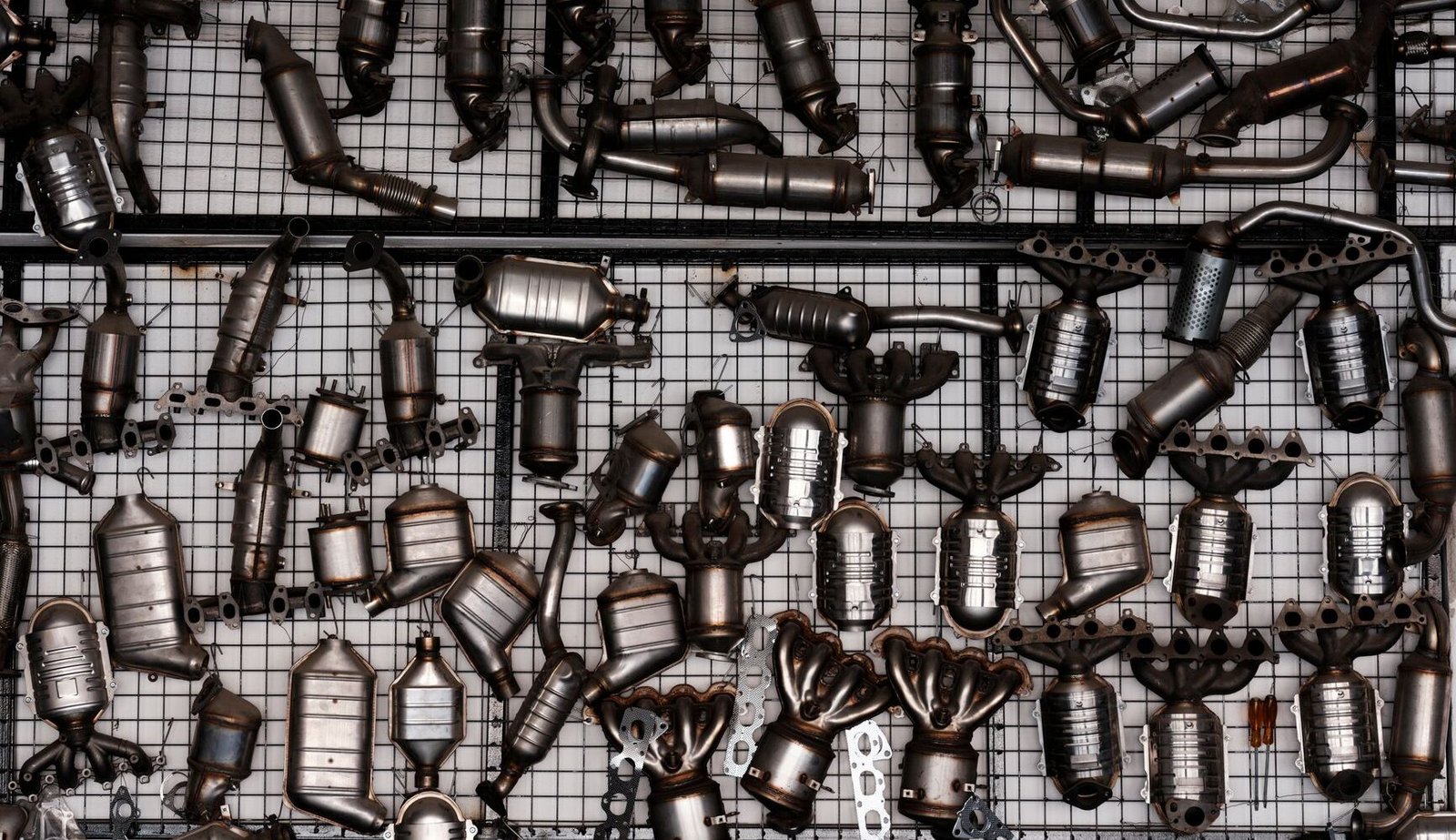
Catalytic converters play a crucial role in modern vehicles, facilitating the conversion of harmful emissions into less harmful substances. As environmental regulations tighten, the demand for these components has surged, making them valuable not just for their functionality but also for their scrap value. Some cars are equipped with especially valuable catalytic converters, which can fetch significant prices in the scrap market. This article delves into which cars have the most expensive catalytic converters for scrap and why they hold such high value.
Understanding catalytic converters
Before diving into which cars have the most expensive catalytic converters, it’s essential to understand what these components are and how they function. Catalytic converters contain precious metals such as platinum, palladium, and rhodium, which act as catalysts in the chemical reactions that reduce toxic gases. As a result, the value of a catalytic converter largely depends on the concentration of these metals within it.
The role of precious metals
The three primary metals found in catalytic converters—platinum, palladium, and rhodium—are rare and expensive. Rhodium, in particular, has seen astronomical price increases in recent years due to its limited supply and high demand in various industries, including automotive manufacturing. This has made catalytic converters from certain vehicles especially valuable when scrapped.
Factors influencing scrap value
Several factors influence the scrap value of a catalytic converter. These include the make and model of the vehicle, the type and quantity of precious metals contained within the converter, and current market prices for these metals. It’s worth noting that the age of the vehicle and the condition of the catalytic converter also play significant roles in determining its scrap value.
High-value vehicles
Not all vehicles are created equal when it comes to catalytic converter value. Some cars are known to have exceptionally high scrap values for their catalytic converters due to the valuable metals they contain. Below are some of the notable high-value vehicles.
Toyota Prius
The Toyota Prius is often highlighted for having one of the most valuable catalytic converters in the scrap market. The hybrid vehicle’s converter contains a significant amount of precious metals, particularly platinum and palladium. As demand for hybrid vehicles continues to grow, so does the value of their catalytic converters.
Ford F-Series
The Ford F-Series trucks, particularly the F-250 and F-350 models, are also known for their valuable catalytic converters. The converters in these trucks are designed to handle larger engines and, as such, often contain a higher amount of precious metals compared to smaller vehicles.
Honda Accord
The Honda Accord is a staple in the automotive world and is known for its reliability and durability. Its catalytic converters are similarly valuable due to the presence of palladium and platinum, making it an attractive option in the scrap market.
Chevrolet Silverado
Similar to the Ford F-Series, the Chevrolet Silverado is another full-size truck with a valuable catalytic converter. The robust design and larger engine options lead to converters with higher metal content, making them sought after in scrap yards.
The risk of theft
<pWith the increasing value of catalytic converters, theft has become a significant concern for vehicle owners. Thieves target specific models known for their valuable converters, stripping them in mere minutes. This has led to an uptick in insurance claims and heightened security measures among car owners.
Protecting your vehicle
To protect against catalytic converter theft, vehicle owners can take several measures. Parking in well-lit areas, installing security cameras, and even utilizing catalytic converter locks can deter thieves. Additionally, some vehicle manufacturers are implementing features to make catalytic converters less accessible, further reducing the risk of theft.
Market trends and future outlook
The market for scrap catalytic converters is influenced by various factors, including global metal prices and the automotive industry’s shift towards electric vehicles. As more automakers transition to electric vehicles, the demand for traditional catalytic converters may decline, potentially affecting their scrap value in the long term. However, for now, high-value vehicles continue to dominate the market for catalytic converter scrap.
Conclusion
Understanding which cars have the most expensive catalytic converters for scrap provides valuable insight into the automotive market and the value of precious metals. With certain vehicles commanding high prices for their catalytic converters, it’s essential for car owners to be aware of both their worth and the risks associated with theft. As the automotive landscape evolves, monitoring these trends will be crucial for both consumers and industry professionals alike.
Understanding the market for precious metals in catalytic converters
Catalytic converters are essential components in modern vehicles, designed to reduce harmful emissions. They contain valuable precious metals, primarily platinum, palladium, and rhodium, which contribute significantly to their scrap value. An understanding of the market dynamics for these metals can provide insight into why certain catalytic converters fetch higher prices than others.
As of late 2023, the automotive recycling industry has seen fluctuations in the prices of these metals, driven by various factors including supply chain disruptions, geopolitical tensions, and the increasing demand for electric vehicles (EVs). For example, rhodium has seen unprecedented price spikes due to its scarcity and critical role in gasoline engines. In 2021, rhodium prices soared to over $29,000 per ounce, making it one of the most valuable metals on the planet. This surge makes catalytic converters from certain vehicles—like late-model luxury cars that utilize rhodium—extremely valuable for scrap.
When evaluating the scrap value of a catalytic converter, it is vital to consider the vehicle model, year, and engine type. For instance, converters from high-performance vehicles such as the Ferrari 458 Italia or the Lamborghini Gallardo often contain higher concentrations of precious metals, leading to scrap values exceeding $1,000. These vehicles not only incorporate advanced emission control technologies but also typically use more robust materials that contribute to their longevity and value.
Moreover, the market for catalytic converters is becoming increasingly sophisticated, with online platforms and dedicated scrap yards offering real-time pricing based on the latest market conditions. This shift allows scrappers to obtain more competitive pricing for their materials. For instance, companies like Scrap Metal Buyers and Catalytic Converter Recycling offer online calculators where sellers can input specific details about their catalytic converters to receive instant quotes based on current market prices.
“Understanding the specific content of your catalytic converter is key to maximizing profit when scrapping.”
Another noteworthy trend is the rise of recycling technologies that can extract precious metals from spent catalytic converters more efficiently. Advanced hydrometallurgical processes, for example, are being developed to recover metals while minimizing environmental impact. This not only enhances the profitability of recycling operations but also supports sustainability initiatives within the automotive industry.
Scrap metal dealers are increasingly educating their clients about these technologies, emphasizing the importance of proper disposal and recycling of catalytic converters. The integration of technology into the recycling process means that even converters from older vehicles, which may have less precious metal content, can still be processed for profit. This broadens the market for scrap catalytic converters and provides opportunities for both individual sellers and larger recycling firms.
In conclusion, the value of catalytic converters in the scrap market is influenced by a variety of factors, from the concentration of precious metals to the evolving recycling technologies. Sellers looking to maximize their profits must stay informed about market trends, understand the specifications of their converters, and utilize the latest platforms and methods for sale. As the landscape of automotive recycling continues to evolve, those who adapt to these changes will find significant opportunities within this lucrative market.
Understanding the factors influencing catalytic converter value
To truly grasp why certain catalytic converters fetch higher scrap prices, it is essential to delve into the specifics that affect their value. Several factors come into play, including the type of metals used, the vehicle model they are extracted from, and the overall condition of the converter.
One of the primary factors impacting the value of catalytic converters is the precious metals contained within. Most converters are made with a blend of platinum, palladium, and rhodium. Historically, rhodium has seen the largest price fluctuations, often exceeding the prices of platinum and palladium. For instance, as of late 2023, rhodium prices have been hovering around $15,000 per ounce, while palladium and platinum have remained significantly lower. Therefore, converters from vehicles that utilize a higher concentration of rhodium, such as certain models from Land Rover and Ford, will generally command higher prices in the scrap market.
Additionally, the vehicle model plays a significant role. High-performance vehicles, luxury brands, and those with strict emissions regulations tend to have more sophisticated and expensive catalytic converters. For example, catalytic converters from brands like Ferrari, Lamborghini, and Mercedes-Benz often have unique designs and higher precious metal content, leading to a higher scrap value. A Ferrari catalytic converter can sometimes sell for as much as $10,000 due to the rarity and the precious metal content.
Another critical factor is the market demand for these metals. The automotive industry’s shift towards electric vehicles (EVs) has influenced the market for catalytic converters. As demand for traditional gasoline vehicles decreases, the supply of used catalytic converters may also decline, potentially driving prices up for the remaining converters. In contrast, during times when metal prices drop, such as when global mining operations ramp up, the scrap value of catalytic converters may also lower.
The condition of the catalytic converter is equally important. A well-maintained, intact catalytic converter will yield a higher scrap price compared to one that is damaged or partially destroyed. Scrappers and recyclers often inspect these components for signs of wear or damage before determining their value. A converter that has been removed carefully and preserved without damage is much more likely to attract top dollar.
“It’s crucial for scrappers to keep abreast of market trends in precious metals, as these fluctuations directly impact the profitability of catalytic converters.”
Moreover, the timing of when you sell your catalytic converter can also affect the price you receive. Keeping track of metal prices and selling during a peak can result in significantly higher profits. Some scrappers recommend maintaining relationships with metal buyers who can provide insights into when to sell for the best possible return.
To summarize, understanding the specifics behind the value of catalytic converters goes beyond just knowing they contain precious metals. Factors such as the type and concentration of metals, the vehicle model, the condition of the converter, and timing of sale are all critical in determining their scrap value. With the right knowledge and approach, scrappers can maximize their returns in this lucrative market.
Market dynamics and regional variations in catalytic converter prices
The value of catalytic converters on the scrap market can vary significantly based on several factors, including geographic location, demand for precious metals, and the specific make and model of the vehicle from which the catalytic converter is sourced. Understanding these regional dynamics can provide valuable insights for scrap metal dealers and individuals looking to maximize their returns.
In the United States, for example, the market for scrap catalytic converters is heavily influenced by the demand for palladium, platinum, and rhodium, the three precious metals that are integral to their function. In recent years, the prices of these metals have fluctuated dramatically, leading to corresponding changes in the scrap value of catalytic converters. As of late 2023, rhodium prices have seen a resurgence, reaching levels that can push the scrap value of certain high-end catalytic converters to over $1,500 each.
“Certain models, particularly from luxury brands like BMW and Audi, can yield significantly higher scrap values due to their higher metal content and the rising prices of precious metals.”
Regions with a high concentration of luxury vehicles often see higher prices for scrap catalytic converters. For instance, metropolitan areas such as Los Angeles and New York City, where there is a larger population of high-end vehicles, can offer more competitive rates for scrap. Conversely, rural areas may not have the same demand or infrastructure to support high scrap prices, which can depress the value of catalytic converters from vehicles in those regions.
Additionally, local regulations and environmental policies can impact the scrap catalytic converter market. States with stringent emissions regulations, like California, may have a higher demand for catalytic converters that meet those standards. As a result, these converters may command a premium price in regions where the aftermarket for emissions-compliant parts is robust. On the other hand, in areas with less stringent regulations, there may be less incentive to recycle and recover the precious metals, leading to lower prices.
Another significant factor is the evolving landscape of electric vehicles (EVs). As more consumers transition to EVs and hybrids, the demand for traditional catalytic converters is expected to decline. This shift could create a surplus of scrap catalytic converters from conventional vehicles, potentially lowering prices across the board. However, certain high-value converters from high-performance gasoline engines may still retain their value due to their metal content and the performance demands of specific applications.
“As the market shifts, savvy scrap dealers will need to adapt to changing trends and maintain awareness of which vehicles are being phased out and which are becoming more popular.”
In conclusion, understanding the regional dynamics and market fluctuations is crucial for anyone involved in the catalytic converter scrap market. By keeping abreast of local demand, regulatory impacts, and trends in automotive technology, scrap dealers and individual sellers can better navigate this complex landscape and maximize their returns on scrap catalytic converters.
Related reading: How to reset a check engine light, and Fuel pump assembly: key components and functions. For an outside reference on this topic, see NHTSA's vehicle resources.