Code P0457 is a diagnostic trouble code (DTC) that signals a leak in the evaporative emission control system (EVAP) of a vehicle. Understanding this code is crucial for vehicle owners, especially those who prioritize emissions control and vehicle performance. In this article, we will delve into what code P0457 means, its causes, symptoms, and solutions.
Key takeaways
- Code P0457 indicates a leak in the evaporative emission control system.
- Common symptoms include a check engine light and increased emissions.
- Potential causes range from a loose gas cap to damaged hoses.
- Diagnosis often requires a visual inspection and smoke testing.
- Addressing this code can improve vehicle performance and fuel efficiency.
What is the evaporative emission control system?
The evaporative emission control system (EVAP) is designed to prevent fuel vapors from escaping into the atmosphere. It captures and stores these vapors in a canister and purges them into the engine to be burned during combustion. The system includes components like the gas cap, fuel tank, charcoal canister, and various hoses and valves.
Understanding code P0457
When the vehicle’s onboard diagnostics (OBD) system detects a leak in the EVAP system, it triggers code P0457. This code is often accompanied by a check engine light, alerting drivers to a potential issue that needs attention. The severity of the leak can vary, impacting both emissions and vehicle performance.

Common causes of code P0457
Several factors can lead to the activation of code P0457. Here are the most common causes:
- Loose or damaged gas cap: One of the simplest causes, a loose or cracked gas cap can allow fuel vapors to escape.
- Cracked or damaged hoses: Hoses that are part of the EVAP system can degrade over time, leading to leaks.
- Faulty charcoal canister: The charcoal canister captures fuel vapors; if it’s damaged, it may not function correctly.
- Defective purge valve: The purge valve opens to allow vapors to enter the engine; if it fails, it can cause issues.
- Electrical issues: Problems with wiring or connectors in the EVAP system can also trigger this code.
Symptoms associated with code P0457
Drivers may experience several symptoms when code P0457 is present. The most noticeable symptom is the illumination of the check engine light. Other possible symptoms include:
- Decreased fuel efficiency: A leak in the EVAP system can lead to increased emissions and reduced fuel economy.
- Strange odors: Fuel vapors escaping from the system may cause unusual smells around the vehicle.
- Rough idling or stalling: In some cases, the vehicle may exhibit performance issues, such as rough idling or stalling.
Diagnosing code P0457
Proper diagnosis of code P0457 involves a systematic approach. Here are the steps typically followed by mechanics:
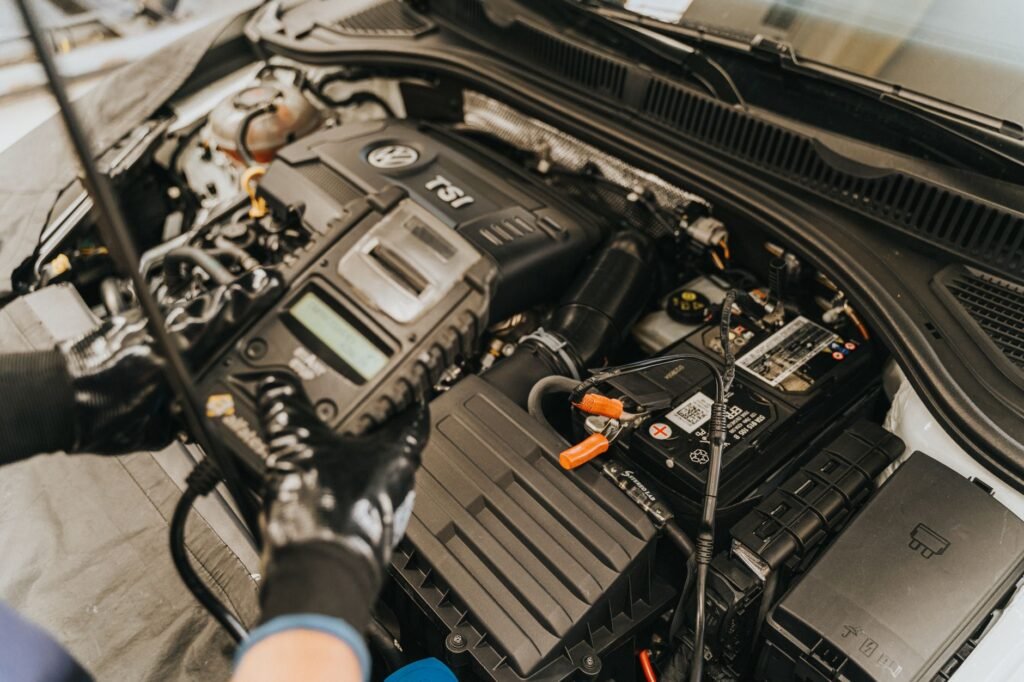
- Visual inspection: The mechanic will start with a thorough visual inspection of the EVAP system components, including the gas cap, hoses, and canister.
- Check for leaks: Using a smoke machine, technicians can introduce smoke into the EVAP system to identify leaks visually.
- Scan tool analysis: A diagnostic scan tool can provide additional information regarding the code and any related codes that may be present.
- Functional tests: Testing individual components, such as the purge valve and vent valve, can help identify faulty parts.
Common solutions for code P0457
Once the cause of code P0457 has been diagnosed, the appropriate repairs can be made. Here are some common solutions:
- Tightening or replacing the gas cap: If the gas cap is loose or damaged, simply tightening or replacing it can resolve the issue.
- Repairing or replacing hoses: Damaged or cracked hoses should be replaced to prevent leaks.
- Replacing the charcoal canister: If the canister is found to be faulty, it will need replacement.
- Fixing electrical issues: Repairing any wiring or connector problems will ensure proper functionality.
Preventive measures for the EVAP system
Regular maintenance can help prevent issues with the EVAP system and the triggering of code P0457. Here are some preventive measures:
- Regularly check the gas cap: Ensure the gas cap is secure after refueling and inspect it periodically for signs of wear.
- Inspect hoses and components: Regularly check the condition of hoses and other EVAP components during vehicle maintenance.
- Keep the fuel tank filled: Avoid running the tank too low, as this can lead to increased vapor production and potential issues.
Conclusion
Code P0457 serves as a crucial indicator of potential issues within the evaporative emission control system. Understanding its implications helps vehicle owners take proactive measures to maintain their cars and adhere to emission regulations. By promptly addressing the causes and symptoms associated with this code, drivers can enhance vehicle performance and reduce environmental impact.

Real-world impact of P0457 on vehicle performance
Understanding the implications of code P0457 goes beyond simply diagnosing the error; it requires an examination of how this code affects vehicle performance, emissions, and overall reliability. When a vehicle triggers code P0457, indicating a “Evaporative Emission Control System Leak Detected (Fuel Cap Loose/Off),” it can lead to various performance issues that may not be immediately obvious to the driver.
One significant impact of this code is on fuel efficiency. A loose or malfunctioning fuel cap can allow fuel vapors to escape the fuel system, leading to a decrease in pressure that can cause the engine control unit (ECU) to adjust the air-fuel mixture. In practical terms, this could result in the vehicle running richer than necessary, which not only reduces fuel economy but can also increase harmful emissions. For instance, a driver may notice a decrease in miles per gallon (MPG) after the code is triggered, leading to additional fuel costs over time.
Another critical aspect is the potential for increased hydrocarbon emissions. The evaporative emissions system is designed to capture and recycle fuel vapors that would otherwise contribute to air pollution. If the system is compromised due to a P0457 code, it can lead to higher levels of volatile organic compounds (VOCs) being released into the atmosphere. This is particularly concerning in urban areas where air quality regulations are stringent. In fact, vehicles that frequently display this code may face challenges passing emissions tests, which can result in fines or the need for costly repairs to bring the vehicle back into compliance.
Additionally, ignoring a P0457 code can lead to more severe issues down the line. A persistent leak in the evaporative system may not only affect the fuel cap but could also indicate problems with hoses, valves, or the charcoal canister. For example, if the issue is traced back to a cracked hose, this could lead to further complications such as decreased engine performance, increased engine wear, or even complete system failure. Therefore, it is crucial for vehicle owners to address P0457 promptly to avoid escalating repair costs.
“Addressing code P0457 early is key to maintaining both performance and compliance with emissions standards.”
In practical terms, diagnosing and resolving a P0457 code may involve simple steps such as ensuring the fuel cap is securely tightened or replacing a worn cap. However, it may also require a more thorough inspection of the evaporative emissions system. Technicians often employ pressure testing to locate leaks and may utilize smoke machines to visualize vapor loss. These methods can help pinpoint the exact source of the leak, allowing for targeted repairs that restore the system’s integrity and performance.
In summary, while code P0457 may seem like a minor inconvenience, its implications for vehicle performance and emissions should not be underestimated. By understanding the potential risks and taking proactive measures, vehicle owners can ensure their cars remain efficient, environmentally friendly, and compliant with regulations.
Exploring the role of EVAP system leaks in diagnostics
The diagnosis of code P0457, which indicates a large leak in the evaporative emissions control system, is not merely a technical exercise; it is a window into the overall health of a vehicle’s emissions system. Understanding the nuances of the EVAP system and its components can significantly enhance a technician’s ability to troubleshoot effectively. By delving deeper into the common causes and the diagnostic process, one can better appreciate the implications of a P0457 code.
The EVAP system plays a crucial role in capturing fuel vapors from the fuel tank and preventing them from escaping into the atmosphere. This process is not only vital for meeting regulatory standards but also for enhancing fuel efficiency. A large leak, such as that indicated by code P0457, can stem from various sources, including damaged hoses, faulty fuel caps, and even issues with the purge or vent solenoids.
For instance, a cracked or disconnected EVAP hose can be a common culprit, often overlooked during routine maintenance checks. Technicians should be vigilant in inspecting these hoses, particularly in older vehicles where wear and tear can lead to significant leaks.
When diagnosing a P0457 code, it is imperative to follow a systematic approach. Start with a visual inspection of the EVAP components. Common areas to check include:
- Fuel Cap: Ensure it is tight and in good condition. A damaged or loose fuel cap is often the simplest fix for EVAP-related issues.
- Hoses and Lines: Look for cracks, abrasions, or disconnections in the rubber hoses that form the EVAP system. These hoses can deteriorate over time due to exposure to heat and fuel vapors.
- Solenoids: Test the purge and vent solenoids for functionality. A malfunctioning solenoid can disrupt the pressure balance in the system, leading to a P0457 code.
In addition to visual inspections, utilizing diagnostic tools is essential. A smoke machine can be particularly effective for identifying leaks in the EVAP system. By introducing smoke into the system, technicians can visually confirm the presence of leaks, making it easier to pinpoint the source.
For example, when smoke is introduced and escapes from a loose connection or a crack, it provides immediate feedback that can save time in the diagnostic process. This method is far superior to relying solely on the vehicle’s onboard diagnostics, which may not always indicate the exact location of the leak.
Understanding the potential implications of a P0457 code extends beyond immediate repairs. Continuous driving with this code can lead to increased emissions and decreased fuel efficiency. Moreover, repeated triggering of the check engine light can result in the vehicle failing emissions tests, which can have financial repercussions for the owner.
Furthermore, the presence of a P0457 code can sometimes be indicative of broader issues within the vehicle’s fuel system. For instance, if a large leak is present, it could also affect the fuel tank’s pressure, leading to issues with fuel delivery and engine performance. Therefore, addressing a P0457 code promptly is not only about compliance with emissions standards; it is also about maintaining the vehicle’s overall functionality.
In conclusion, diagnosing and resolving code P0457 requires a multi-faceted approach that combines visual inspections with advanced diagnostic tools. By understanding the intricacies of the EVAP system and the possible causes of a large leak, technicians can provide more effective solutions, ultimately benefiting both the vehicle and its owner.
Exploring the role of fuel cap integrity in P0457 diagnostics
The OBD-II trouble code P0457 indicates a “fuel cap loose” condition, which is often a symptom of a more systemic issue within the evaporative emission control system (EVAP). While many vehicle owners may dismiss this code as a minor inconvenience, understanding the underlying mechanics can prevent costly repairs and improve overall vehicle performance.
One critical aspect to consider is the design and function of the fuel cap itself. Fuel caps are not merely protective barriers; they are integral components of the EVAP system, designed to maintain pressure and prevent fuel vapors from escaping into the atmosphere. A malfunctioning fuel cap can lead to various issues beyond just setting off the P0457 code, including reduced fuel efficiency and increased emissions.
For example, consider a vehicle where the fuel cap appears visually intact, yet the internal sealing mechanism is compromised. This might not be immediately apparent to the owner, as the cap may click into place without any visible damage. However, a small crack or deterioration in the rubber gasket can lead to vapor leaks. When the engine control module (ECM) detects this pressure drop, it triggers the P0457 code, indicating a fault in the EVAP system.
Diagnosing such issues requires a multifaceted approach. Technicians often conduct a smoke test, introducing smoke into the EVAP system to identify leaks. A fuel cap that fails this test, leaking smoke, indicates the need for replacement. However, professionals should also check related components, such as the EVAP purge valve and charcoal canister, as they can contribute to similar symptoms if malfunctioning.
Another important factor is the operating conditions of the vehicle. Extreme temperatures can affect the integrity of the fuel cap. For instance, during winter, cold temperatures can cause the rubber seal to contract, leading to an imperfect fit. Conversely, high summer heat can cause the material to expand and lose its shape. This variability in temperature can make it essential for vehicle owners to routinely inspect their fuel caps, especially in regions with extreme climates.
Additionally, the fuel cap itself is often subject to wear and tear from regular use. Drivers who frequently refuel their vehicles should be aware that over-tightening the cap can damage the threads or the seal. This simple oversight can result in leaks, triggering the P0457 code and leading to unnecessary visits to the mechanic.
To mitigate these issues, vehicle owners should adopt best practices for fuel cap maintenance. Regular inspections during oil changes or tire rotations can help catch potential problems before they escalate. If a P0457 code is triggered, it is advisable for owners to first check the fuel cap for proper sealing, ensuring it is tightened correctly and free from cracks or imperfections. A simple replacement of a faulty fuel cap is often all that is needed to resolve the error, thereby saving time and money in the long run.
In conclusion, while the P0457 code may initially appear trivial, it serves as a critical indicator of fuel system integrity. Understanding the nuances of fuel cap functionality and its impact on vehicle emissions can aid in proactive vehicle maintenance.
Frequently asked questions
What is code P0457?
Code P0457 refers to a leak in the evaporative emission control system. It indicates that the vehicle's computer has detected a fault in the system.
What are the common symptoms of code P0457?
Symptoms of code P0457 typically include an illuminated check engine light and potential issues with fuel efficiency, such as decreased miles per gallon.
How can I fix code P0457?
Fixing code P0457 often involves checking the gas cap, inspecting hoses, and possibly replacing faulty components in the evaporative emission control system.
The bottom line
Understanding code P0457 is essential for maintaining your vehicle's emission system. Timely diagnosis and repair can prevent further issues and enhance vehicle performance.
Related reading: Understanding code P1299 and how to fix it effectively, and Understanding code P0308 and how to fix it. For an outside reference on this topic, see NHTSA's vehicle safety resources.