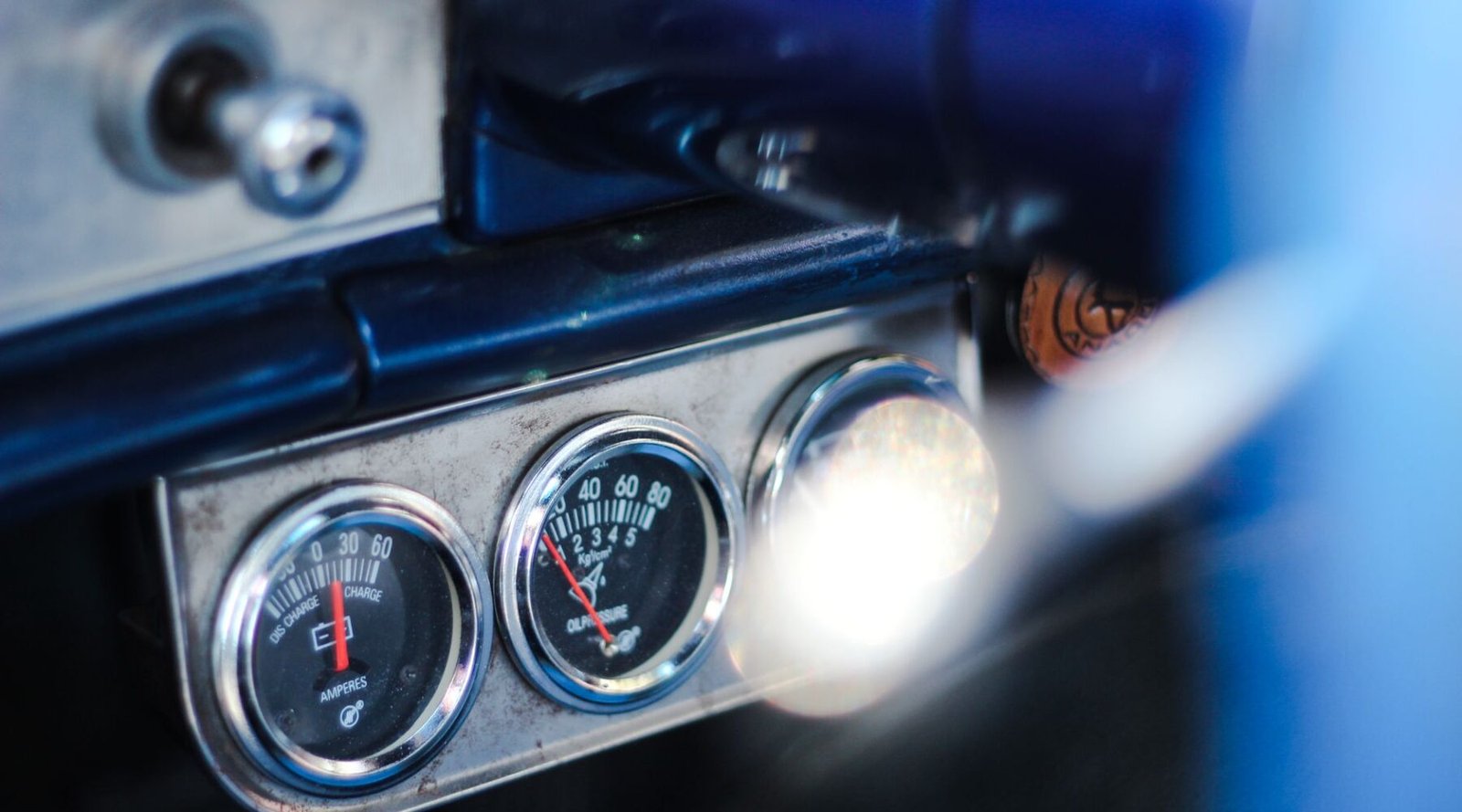
Normal oil pressure is a critical aspect of vehicle performance, affecting everything from engine efficiency to longevity. Understanding what constitutes normal oil pressure can help vehicle owners maintain their engines properly and avoid costly repairs.
What is oil pressure?
Oil pressure refers to the force with which the engine oil circulates throughout the engine. This pressure is vital for lubricating the engine’s moving parts, reducing friction, and preventing excessive wear. Oil pressure is generated by the oil pump, which draws oil from the oil pan and pushes it through the engine’s oil passages.
Why is normal oil pressure important?
Maintaining normal oil pressure is essential for several reasons. Firstly, adequate oil pressure ensures that all moving parts are sufficiently lubricated, which prevents overheating and minimizes wear. Secondly, proper oil pressure helps maintain optimal engine performance by ensuring the engine runs smoothly. If oil pressure drops below normal levels, it can lead to engine damage and eventual failure.
Factors influencing oil pressure
Several factors can affect oil pressure in a vehicle. These include oil viscosity, engine temperature, and the condition of the oil pump. Thicker oils generate higher pressure, while thinner oils may result in lower pressure. Additionally, engine temperature plays a role; as the engine heats up, oil thins, potentially lowering pressure. A malfunctioning oil pump can also lead to inadequate oil pressure.
Normal oil pressure range
The normal oil pressure range for most vehicles typically falls between 20 and 60 psi (pounds per square inch) when the engine is at operating temperature. However, this range can vary based on the specific vehicle and its engine design. It’s essential to refer to the owner’s manual or manufacturer’s specifications for the exact normal oil pressure range for your vehicle.
How to measure oil pressure
Measuring oil pressure can be done using an oil pressure gauge. This gauge can be part of the vehicle’s dashboard or an external gauge connected to the engine. To check oil pressure, the engine must be warmed up to its normal operating temperature. Once the engine is running, the gauge will indicate the current oil pressure. If the reading is outside the normal range, further investigation is necessary.
Symptoms of abnormal oil pressure
Abnormal oil pressure can manifest in various ways. A common symptom is a warning light on the dashboard indicating low oil pressure. Additionally, drivers may notice changes in engine performance, such as knocking or ticking noises, which can signal insufficient lubrication. High oil pressure may cause leaks, as seals and gaskets can become compromised under excessive pressure.
Common causes of low oil pressure
Low oil pressure can be caused by several issues. One of the most common culprits is low oil levels, which can result from leaks or poor maintenance. Worn engine bearings, a failing oil pump, or a clogged oil filter can also contribute to low oil pressure. Additionally, using the wrong oil viscosity for your engine can lead to inadequate lubrication and lower oil pressure.
Common causes of high oil pressure
High oil pressure can also present challenges. This condition might arise from using oil with a viscosity that is too thick for the engine, causing excessive resistance to flow. A malfunctioning oil pressure relief valve can prevent excess pressure from being released, leading to higher readings. Moreover, a blocked oil passage can cause oil to back up, increasing pressure within the system.
Maintaining normal oil pressure
Maintaining normal oil pressure is largely about regular maintenance. This includes performing oil changes at recommended intervals and using the correct oil type and viscosity. Monitoring oil levels and addressing leaks promptly can also help maintain proper pressure. Regular engine inspections will allow for the early detection of any issues that could impact oil pressure.
Conclusion
Understanding normal oil pressure and its significance is crucial for every vehicle owner. By keeping an eye on oil pressure readings and adhering to maintenance schedules, drivers can ensure their engines operate efficiently and last longer. An informed approach to oil pressure management will not only enhance performance but also help avoid costly repairs down the line.
Exploring the impact of oil viscosity on pressure readings
Oil viscosity plays a critical role in determining normal oil pressure in vehicles. Viscosity refers to the thickness of the oil and its resistance to flow, which influences how effectively it lubricates engine components. In essence, the right viscosity ensures that oil reaches all necessary parts of the engine while maintaining adequate pressure. Understanding how viscosity interacts with oil pressure can provide deeper insights into engine health and performance.
When selecting oil for a vehicle, the viscosity grade specified by the manufacturer is crucial. This grade is often represented by a two-number system, such as 10W-30, where the first number indicates the oil’s viscosity at low temperatures and the second number represents its viscosity at high temperatures. A lower first number means the oil flows more easily in cold conditions, which is essential for starting an engine in colder climates. Conversely, a higher second number indicates that the oil maintains its thickness and pressure at elevated temperatures.
For example, using a 10W-30 oil in a high-performance engine designed for 5W-40 oil could lead to lower oil pressure readings, especially under high-temperature conditions. This is because the thinner oil (10W) may not create enough of a seal between moving components, leading to increased clearance and reduced pressure. Conversely, using a thicker oil than recommended can result in increased resistance to flow, potentially causing higher than normal oil pressure readings. This can lead to increased wear on the oil pump and potentially cause damage if pressure exceeds safety limits.
Additionally, the oil’s viscosity index (VI) indicates how much the oil’s viscosity changes with temperature. Oils with a high VI are less affected by temperature changes, making them more stable under varying operating conditions. For example, a synthetic oil with a high VI maintains its viscosity better than conventional oils, ensuring that pressure remains within the normal range across a wider temperature spectrum.
“Choosing the right oil viscosity is not just about meeting manufacturer specifications; it can significantly impact engine performance and longevity.”
It is also important to consider how oil viscosity changes over time as the oil undergoes thermal breakdown and contamination. Over time, oil can lose its viscosity due to heat and the presence of combustion byproducts. This degradation can lead to lower oil pressure, as the oil becomes thinner and less effective at creating the necessary hydraulic pressure within the engine. Regular oil changes and using high-quality oil can mitigate these effects and help maintain normal oil pressure.
Furthermore, certain driving conditions can impact the oil pressure readings relative to the viscosity of the oil. For instance, stop-and-go traffic may cause the oil temperature to rise rapidly, affecting the viscosity and potentially leading to fluctuations in oil pressure. In contrast, highway driving may allow the oil to maintain its viscosity longer due to consistent engine temperatures.
In conclusion, understanding the relationship between oil viscosity and oil pressure is vital for maintaining engine health. Vehicle owners should adhere to manufacturer recommendations for oil viscosity while considering environmental conditions and driving habits. By doing so, they can ensure optimal oil pressure, enhance engine performance, and extend the lifespan of their vehicles.
Exploring the impact of oil viscosity and temperature on oil pressure
Oil pressure is not just a simple measure of the oil’s ability to lubricate engine components; it is intricately linked to the oil’s viscosity and temperature. Understanding these relationships can help vehicle owners better maintain their engines and can provide insight into potential issues before they escalate.
Viscosity refers to the thickness or resistance to flow of oil. It is crucial in determining how effectively oil can circulate through the engine. Lower viscosity oils flow more easily, especially at lower temperatures, and are often preferred in colder climates. Conversely, higher viscosity oils are thicker and provide better protection at high temperatures and under heavy loads. The oil’s viscosity is rated by a number system, such as 5W-30, where the first number represents the oil’s viscosity at low temperatures and the second at high temperatures.
“Choosing the right viscosity based on your driving conditions can significantly affect oil pressure levels and overall engine health.”
For instance, if a vehicle is using a 5W-30 oil in a hot climate, the oil may thin out more quickly as the temperature rises, potentially leading to lower oil pressure. This is particularly critical in high-performance or heavy-duty applications where consistent oil pressure is essential to maintaining engine integrity. Conversely, using a higher viscosity oil than recommended, such as 20W-50 in a cold climate, could result in insufficient flow during cold starts, leading to inadequate lubrication and premature engine wear.
Temperature also plays a significant role in oil pressure. As oil heats up, its viscosity decreases, making it less effective at maintaining pressure. This is why many modern vehicles are equipped with oil temperature gauges in addition to oil pressure gauges. A rise in temperature can lead to a drop in oil pressure, signaling to the driver that the oil may need to be changed or that there may be an issue with the cooling system. For example, if an engine is running hotter than normal due to a failing thermostat or a blocked radiator, the oil temperature will rise, which can lead to lower oil pressure readings.
“Monitoring both oil temperature and pressure provides a more comprehensive understanding of engine health and performance.”
To illustrate the importance of viscosity and temperature on oil pressure, consider two identical vehicles: one using 5W-30 oil and the other using 10W-40 oil. During a hot summer day, the vehicle using 5W-30 might show oil pressure readings on the lower end of the normal range, while the vehicle using 10W-40 may maintain a more stable pressure. However, the 5W-30 oil would perform better in colder conditions, ensuring adequate flow during start-up.
Ultimately, the choice of oil viscosity should be guided by the manufacturer’s recommendations, which are tailored to the engine’s design and typical operating conditions. Additionally, regular maintenance, including oil changes and monitoring oil temperature and pressure, can prevent issues related to viscosity and temperature. This proactive approach not only preserves the engine but also enhances performance and longevity.
Exploring the impact of oil pressure variations on engine performance
Oil pressure in an engine is not merely a number; it serves as a crucial indicator of overall engine health and performance. While normal oil pressure is often cited as being between 20 to 60 psi at operating temperatures, variations above or below this range can have significant implications for engine function and longevity. Understanding these variations can help vehicle owners take proactive measures to maintain their engines.
One critical aspect to consider is how oil pressure affects lubrication. A higher oil pressure can indicate that the oil pump is working harder, which might initially seem beneficial. However, excessive pressure can lead to oil foaming, reduced lubrication efficiency, and increased wear on engine components. For instance, racing engines often operate at higher oil pressures to ensure that oil reaches all necessary parts quickly, yet they also employ specialized oil formulations to mitigate the risks associated with this practice.
Conversely, low oil pressure can be a red flag. Common causes of low oil pressure include low oil levels, oil leaks, or a failing oil pump. For example, if a vehicle has a chronic issue with low oil pressure—say, dropping below 10 psi—it may lead to severe engine damage over time, such as bearing failure or premature wear of camshafts and crankshafts. A well-maintained vehicle can often recover from low oil pressure conditions through regular oil changes and ensuring proper oil levels, but persistent issues may necessitate more invasive repairs.
“Monitoring oil pressure can reveal underlying problems before they lead to catastrophic engine failure. Regular checks are essential for vehicle longevity.”
Another noteworthy factor is the type of oil used in the vehicle. Conventional oils may behave differently than synthetic oils in terms of pressure stability. For example, synthetic oils often maintain their viscosity better under a range of temperatures and pressures, providing consistent oil pressure and improved protection for engine components. This is increasingly important in modern engines that operate at higher temperatures and tighter tolerances. Many manufacturers now recommend synthetic oils for their performance benefits, including better oil pressure maintenance.
Seasonal changes also play a role in oil pressure readings. In colder months, oil may thicken, resulting in higher oil pressure readings during cold starts. This is why it’s essential to allow the engine to warm up before driving aggressively. On the other hand, in extremely hot weather, oil can thin out, potentially leading to lower oil pressure. Drivers in regions with significant seasonal variations should be particularly vigilant in monitoring their oil pressure and consider adjusting their oil type accordingly.
Lastly, utilizing oil pressure gauges can provide real-time feedback about engine health. While many vehicles come equipped with warning lights, a gauge allows for nuanced understanding. It can inform the driver about oil pressure fluctuations during operation, enabling them to detect issues early on. This proactive approach is especially beneficial for older vehicles or those with high mileage, which may be more susceptible to oil pressure-related problems.
In summary, understanding and monitoring oil pressure can significantly influence engine performance and longevity. By recognizing the implications of both high and low oil pressure, adapting to seasonal changes, and considering oil type, vehicle owners can take informed steps to protect their engines and enhance their driving experience.
Related reading: How to buy a used car without getting ripped off, and The best three-row SUVs for large families balancing space, safety, and value. For an outside reference on this topic, see Consumer Reports' car-buying advice.